Nicholas Fluhart

December 13, 2009

Manual Tire Changer

Filed under: Day to Day — Nicholas Fluhart @ 10:19 pm

One piece of equipment that has been particularly useful in my line of work is a manual tire machine my father purchased on sale at Harbor Freight Tools for $39.99, regularly sold for anywhere between $50 to $80. The machine has to be bolted to concrete and when I moved to my current location a few years back, I couldn’t find a suitable place to permanently mount it. Most places outside my shop are gravel, and there really isn’t room to put it inside the shop permanently. I had a lot of tires and rims to deal with so I needed to do some thinking. If I could install it inside the shop in a way that would allow me to uninstall it when not in use, that would do the trick.
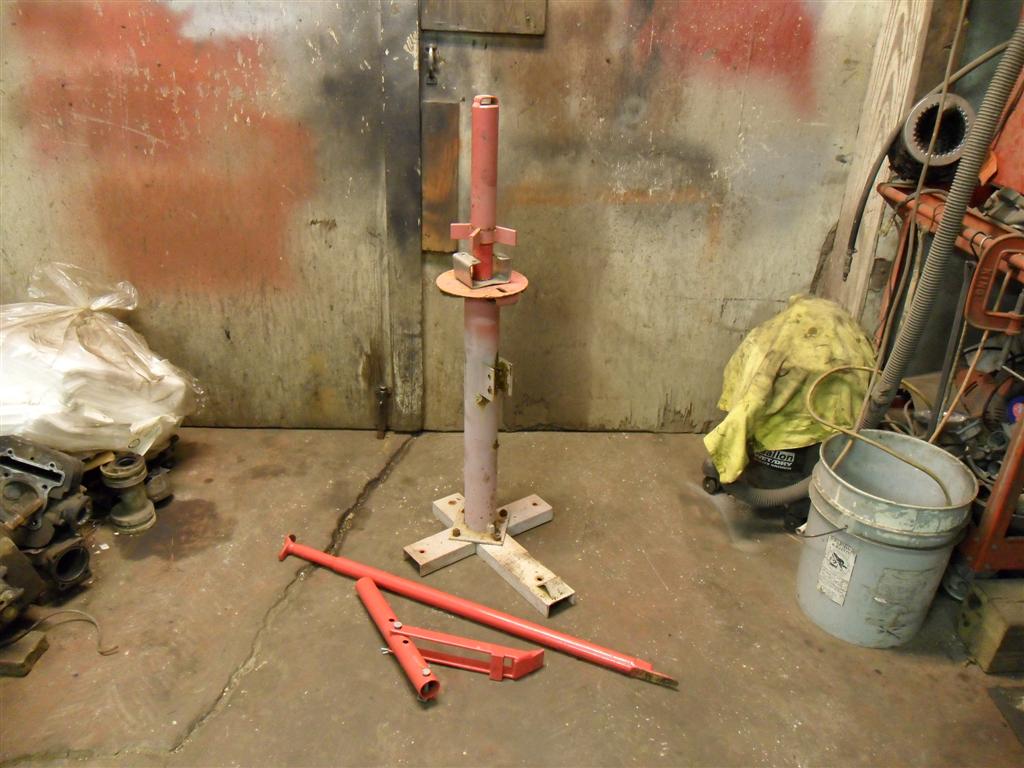
Before Installation

So what could I do? I could use standard concrete anchors to bolt the machine to the floor and then unbolt it when not in use, but that would leave permanent 3 inch studs sticking up out of the floor that could damage a tire on a vehicle or perhaps cause someone to trip and kill themselves. So after doing some research online to see what my other concrete fastener options were, I found these drop-in anchors, much like the standard type except they are female which means the anchors will be flush with the floor, solving the deadly obstacle problem.  Once I’m adequately convinced this is the best solution, it’s time for installation.

Step One: Find a suitable location to mount the machine, make measurements, and mark the floor. The location I chose is at the back of the shop in front of the rear doors. There is plenty of room to work the mechanism and most of the tires and wheels I’ll be dealing with are located behind the shop. Once I found the location, I measured the bolt pattern and marked the floor with a center punch in preparation for drilling.

Measuring and Marking the Floor

Step Two: Bring out the hammer drill. Now if you’ve ever drilled through solid concrete, you know a standard drill with a hammer setting will not work. I even have a 3/4 inch drive drill with a hammer setting, and while it will drill through blocks, it will not handle concrete. For concrete I break out the sure enough concrete hammer.
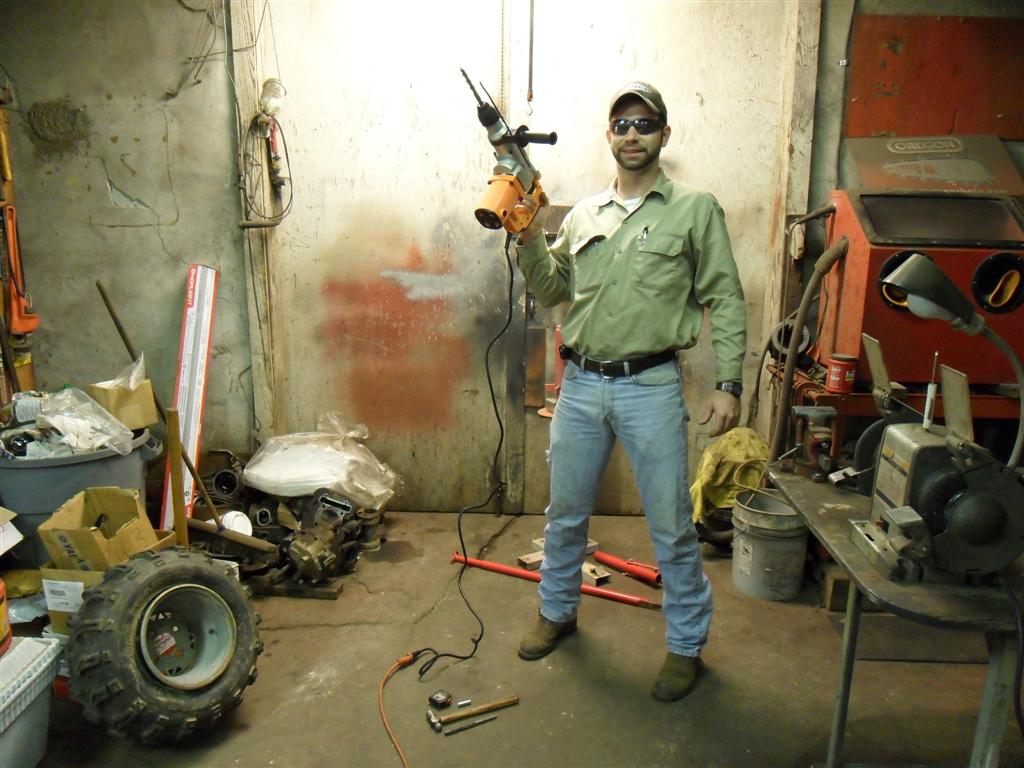
Becoming enthralled with the hammer drill.

Since I will be using 3/8 inch drop-in anchors, I will be drilling the holes at 1/2 inch diameter. The hammer drill makes short work of the concrete. I set the depth guide to the length of the anchor and punch the holes.
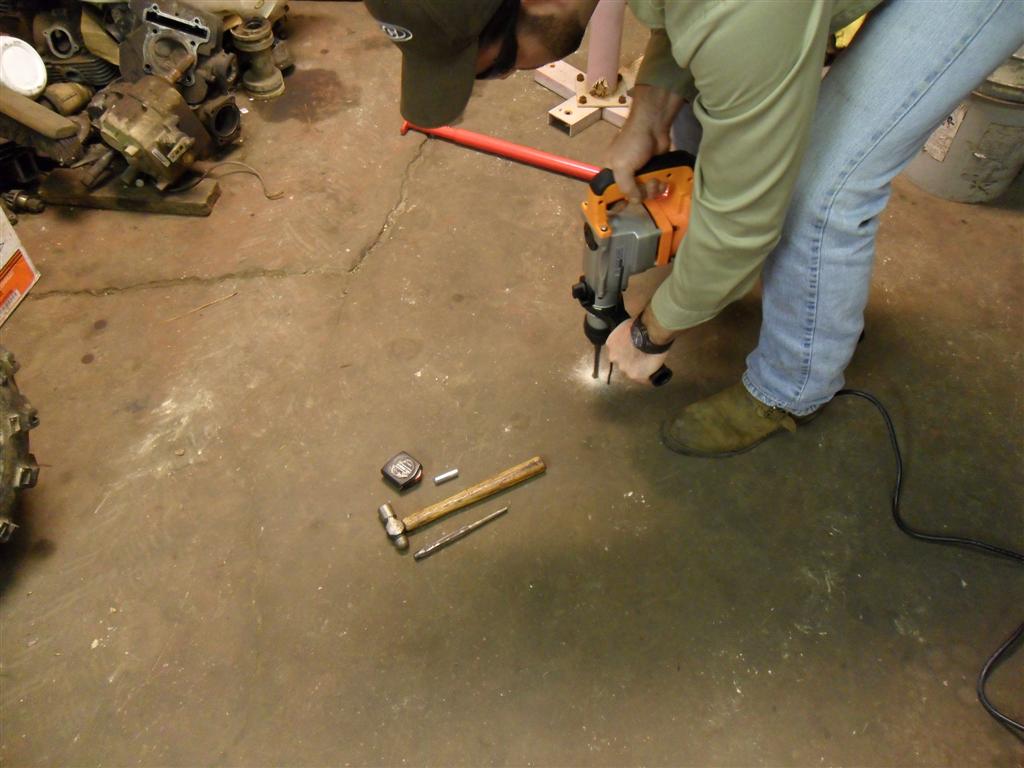
Punching the Holes

Step Three: Clean the residual dust and install the drop-in anchors. I simply drop the anchor in the hole and use a drift punch to drive down the expansion center. There is actually an installation tool available, but I found a drift punch to be as effective. Once it’s driven to the bottom, the anchor is adequately expanded in the concrete and will never come out. Check out the video here for detailed installation procedures.
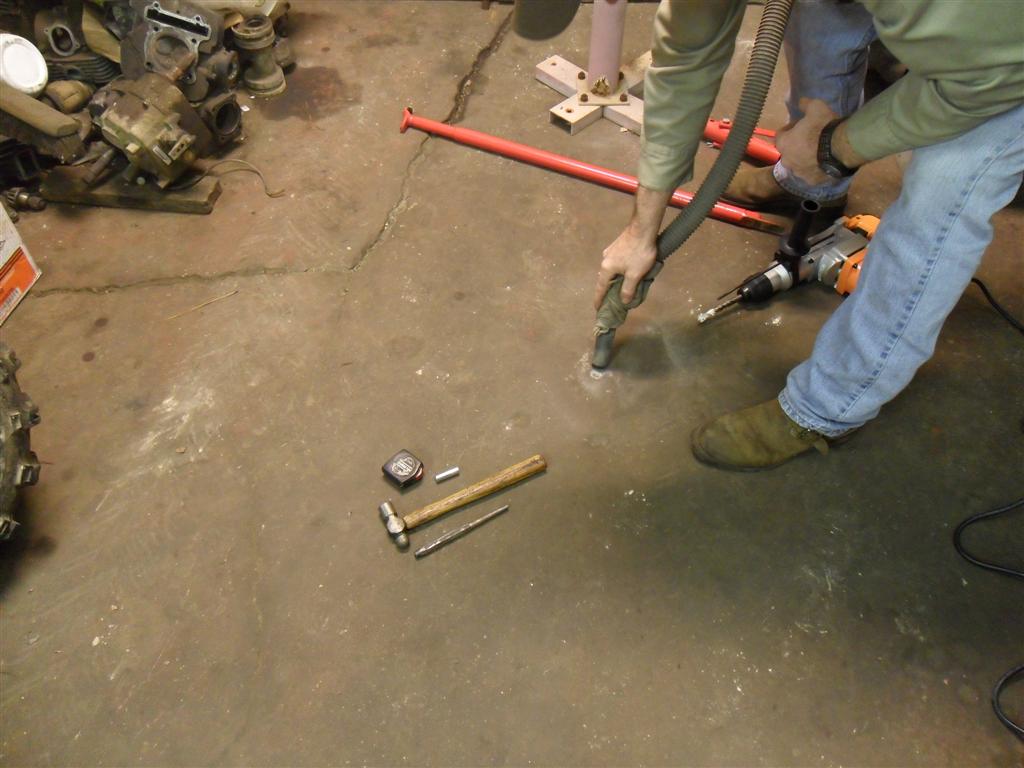
Using my shop vac to clean the bore.

Once the hole is adequately cleaned of dust and debris, I’m able to easily drop the drop-in anchor into the floor.

The drop-in Anchor.

It drops straight into the hole and is flush with the surface of the floor. You can see the center that has to be driven down to expand the anchor in order for it to permanently reside in the shop floor.

Anchor in the floor.

Rather than purchase the $5 installation tool, I use a punch I had in the shop.

Setting the anchor.

And that’s it for the anchors. As seen below it is ready to receive a bolt and can withstand 4,400 lbs of pullout force.

Bolt threaded into anchor.

Step Four: Install the tire changer and test it out.
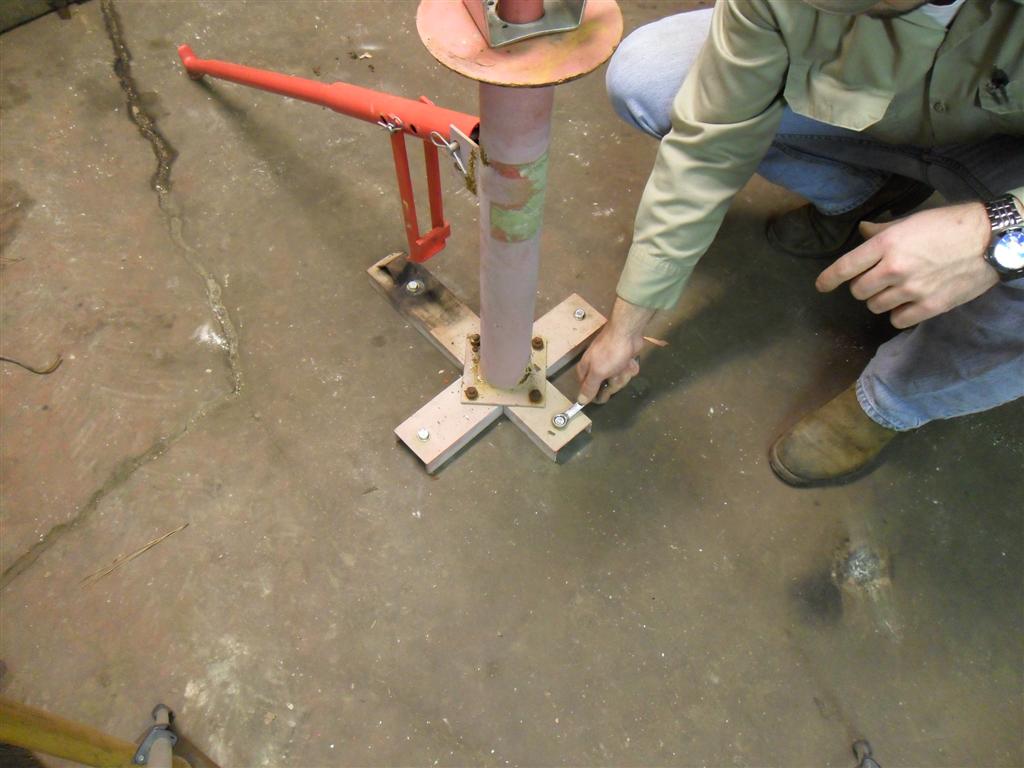
Installing the tire changer.

I decided to test it with a Super Swamper because they are known to be difficult.
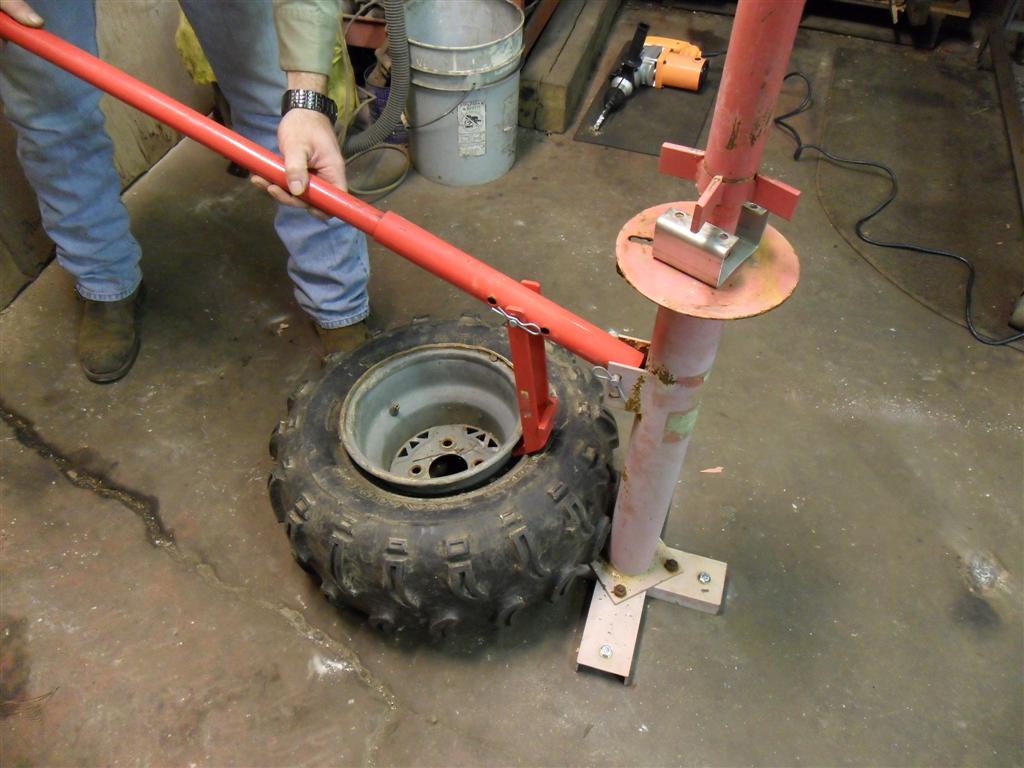
Using the bead breaker.
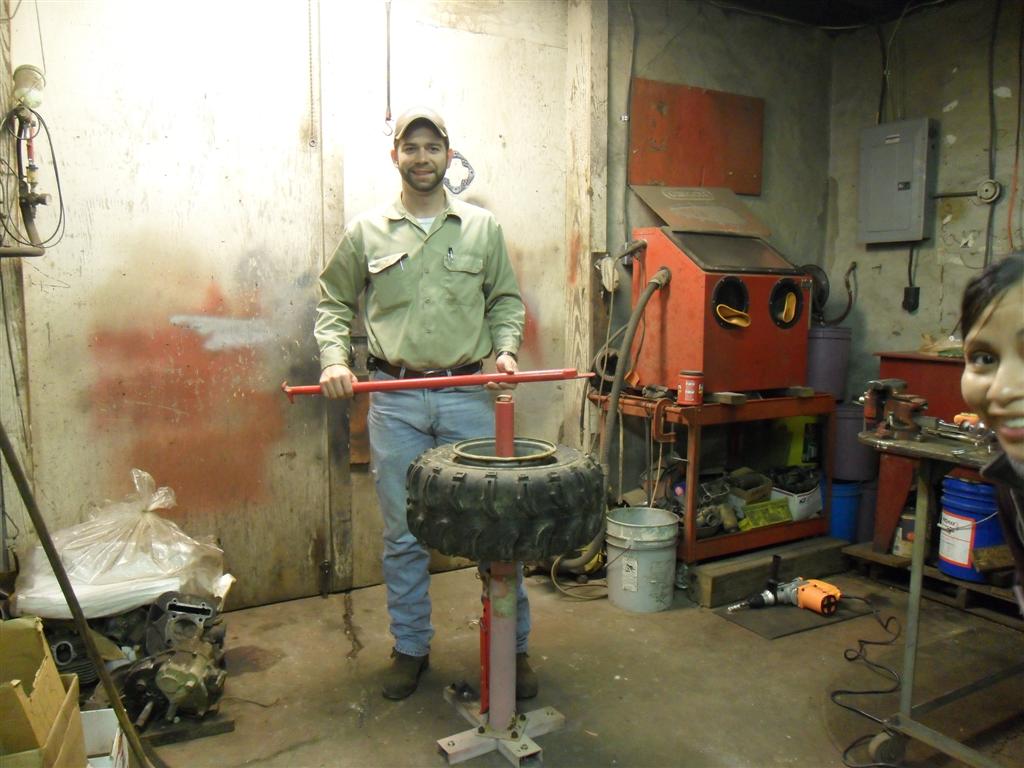
Ready for dismount.

The project was a success. Now it’s on to the final step.

Step Five: Removal. Once I’m finished using the machine, I need to get it out of the middle of the floor. I simply unbolt it and move it out of the way.

Removing the tire changer.

Now here’s the greatest part: Once the machine is removed there are no obstructions in the walk way. The anchors set flush with the shop floor. I install Allen-head plugs into the anchors to keep them clean of dirt and debris.
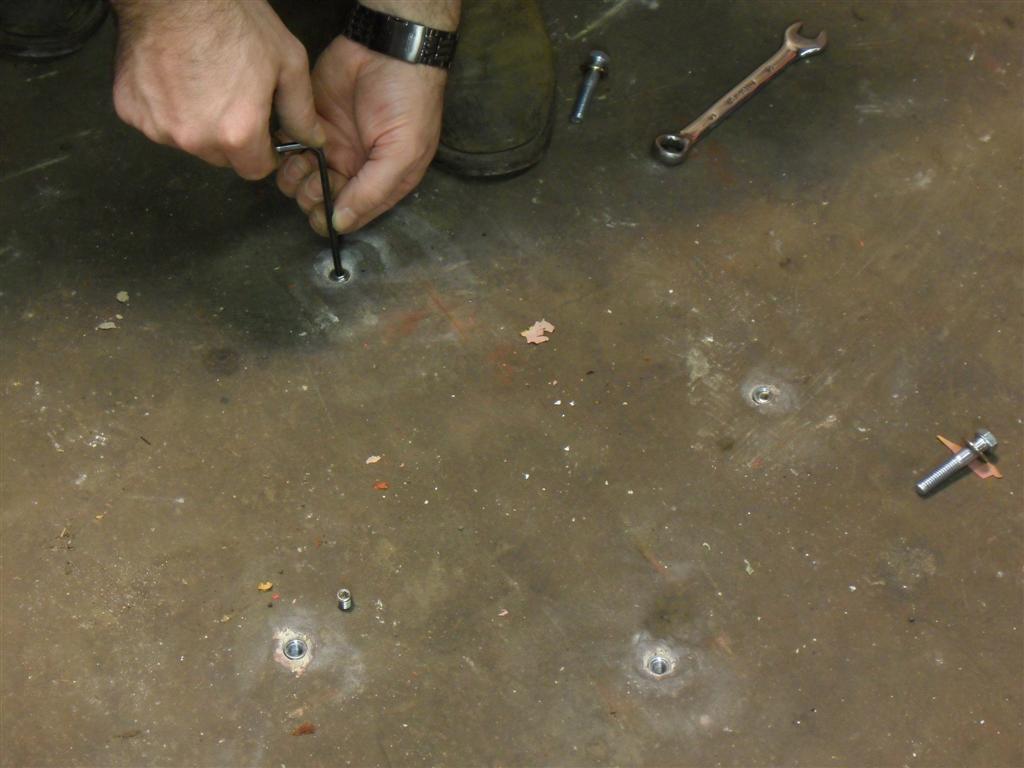
Installing the plugs.

…and that’s it. Another mini project completed. Now I just have to do the back breaking work of busting tires. I’ve probably got about 30 sets I need to deal with. Fortunately I don’t have to do them all right now, so I’ll have one of my shop guys do a set here and there as we get time.

Until next time…
December 8, 2009

Catchup at the Complex

Filed under: Day to Day,Project: AC Forklift,Trucks & Equipment — Nicholas Fluhart @ 10:20 pm

In business there are sometimes periods where things are a bit relaxed or less urgent whether it be because you are caught up and ahead or perhaps because things are slow. So what do I do during those periods? Take a vacation? Well, not exactly. I try to use those periods to get caught up on the small things like inventory work, facility cleanup or organization, and equipment maintenance.

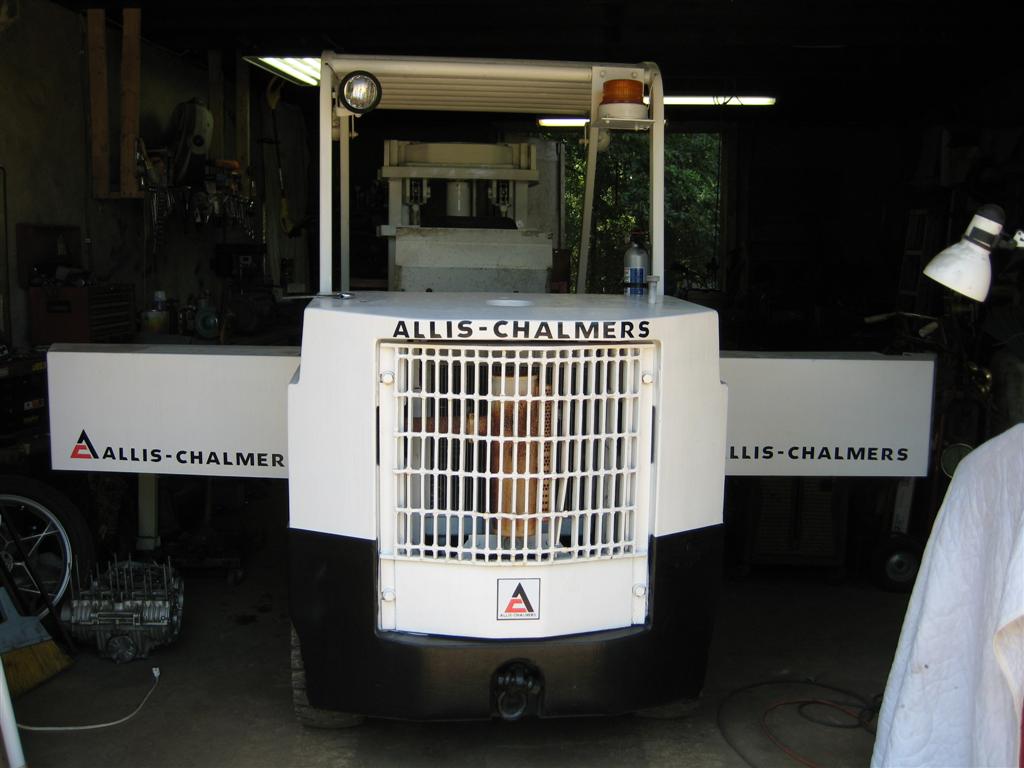
There’s been some things I’ve wanted to do to my forklift and a few weeks back I was able to do some of that. It is typically parked outside and gets junk on it from the rain and trees so I washed it good and then applied touch-up paint to all the chips and scratches it has accumulated since I painted it a couple of years ago.

In the shop for touch up paint.

I then re-wired one of the lights and installed a new key switch and toggle switch for the strobe light.

Fixing the rear utility light.

I also gave it a partial tune-up by cleaning the spark plugs and plug wires and there associated components.

Then I inspected a few fittings and components and reassembled everything to put it back in service.

Everything worked out great and my ole Alli-C is back in business.

December 5, 2009

Driveway Maintenance

Filed under: Day to Day,Trucks & Equipment — Nicholas Fluhart @ 10:38 pm

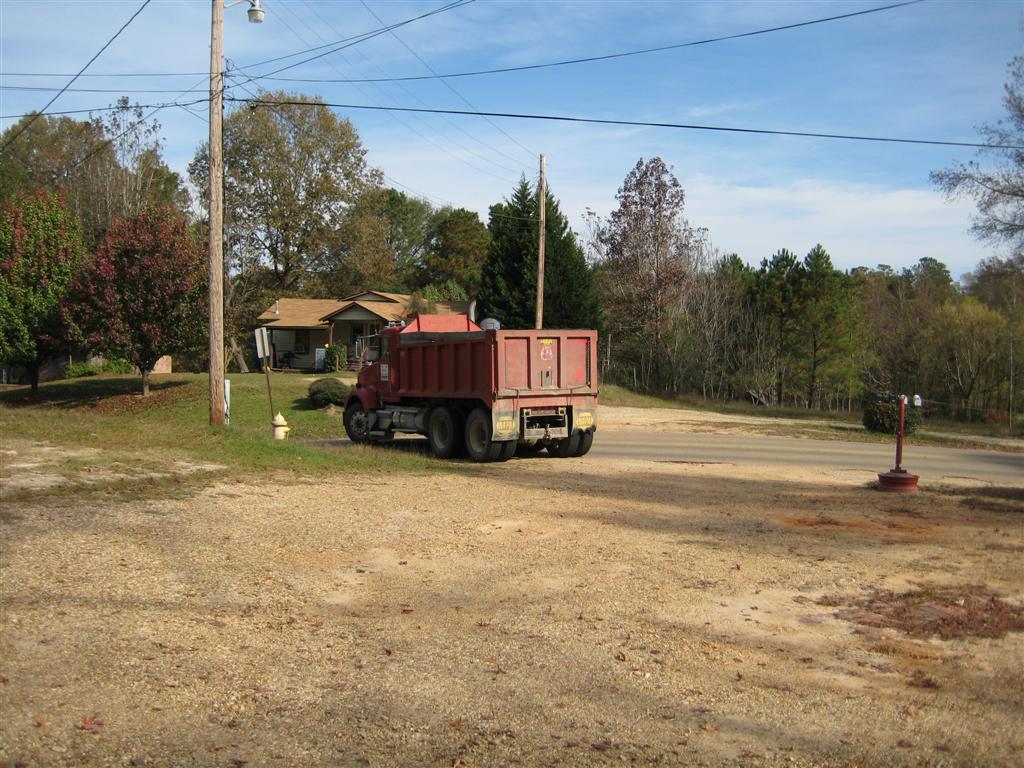
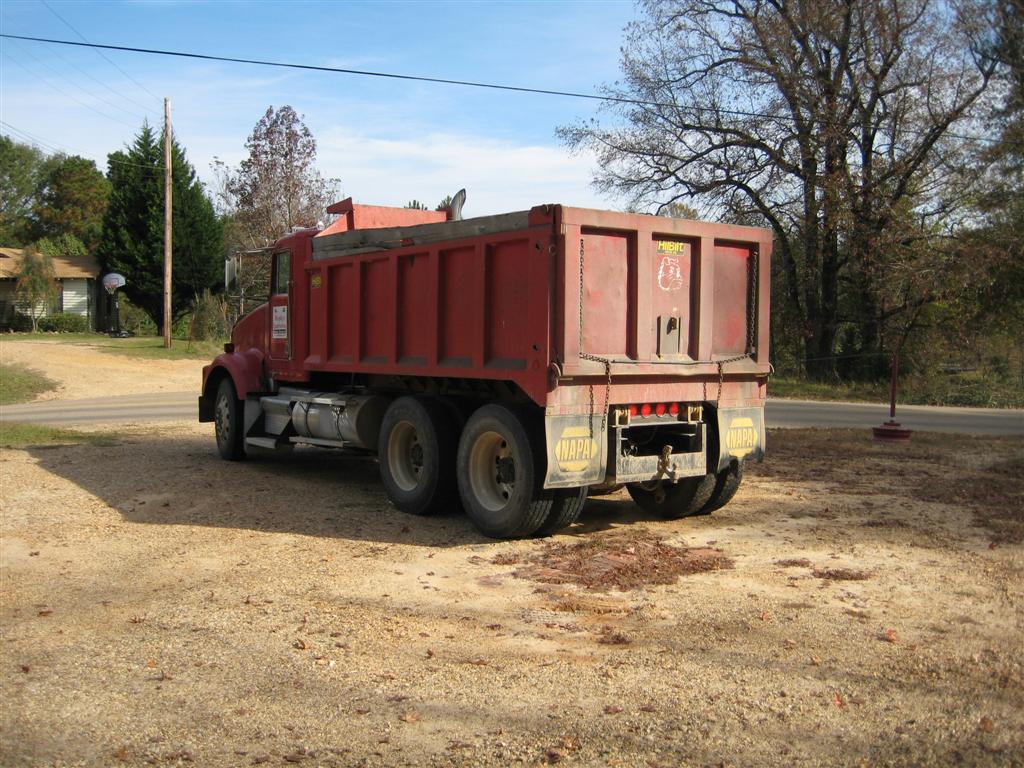
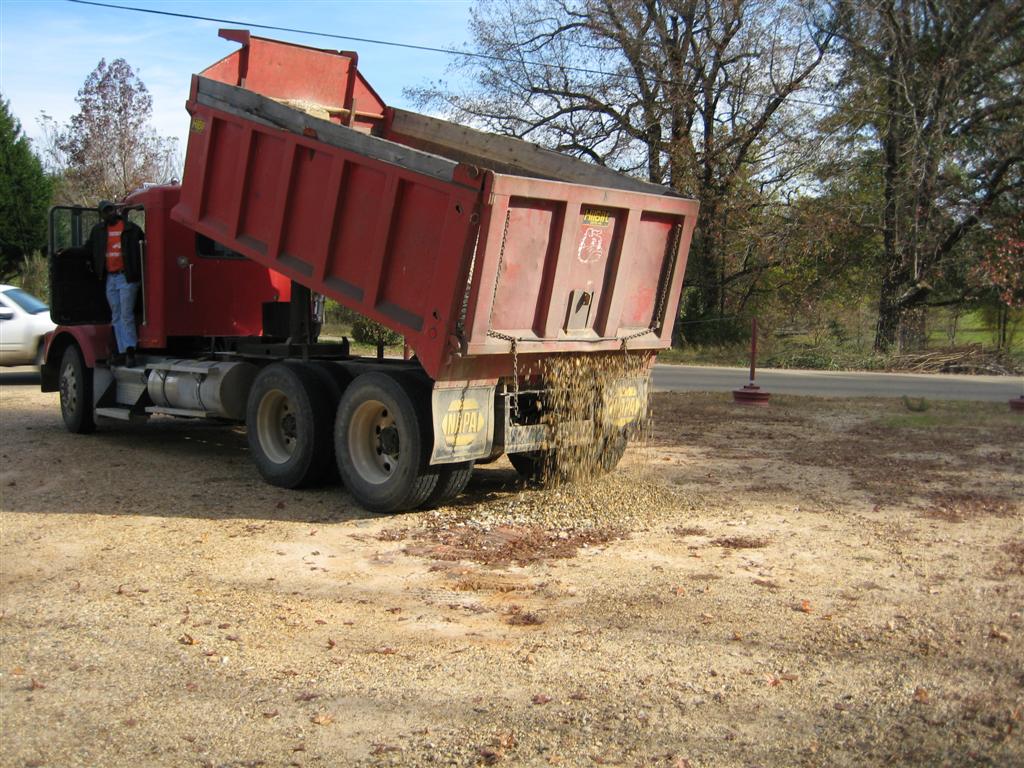
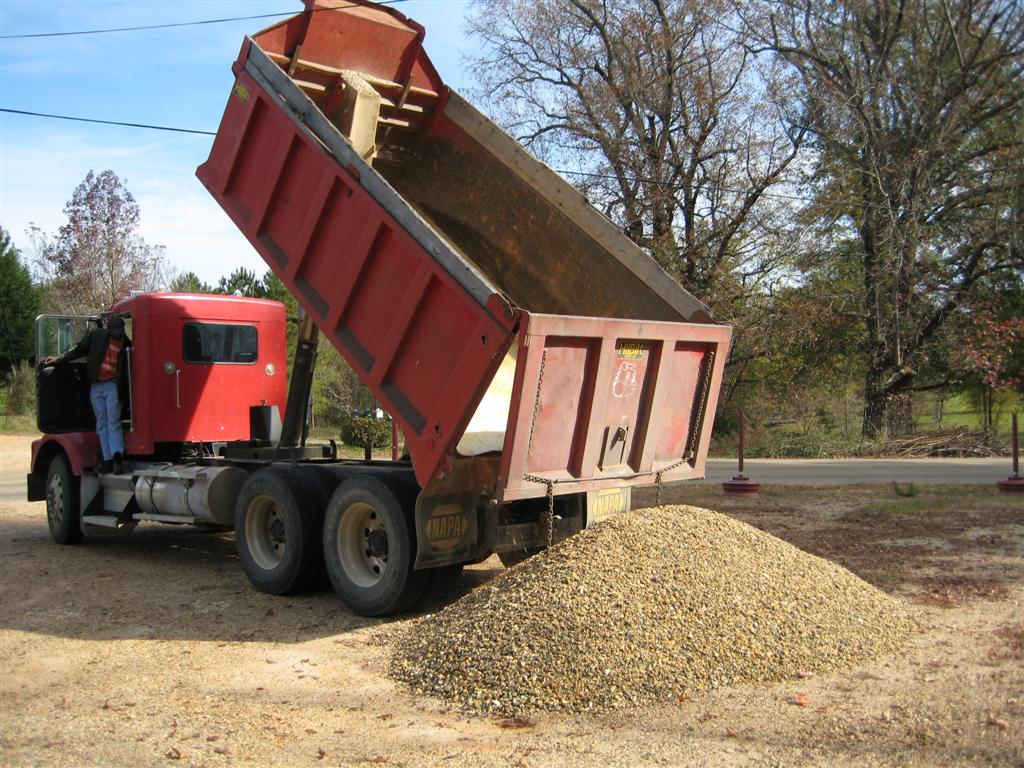
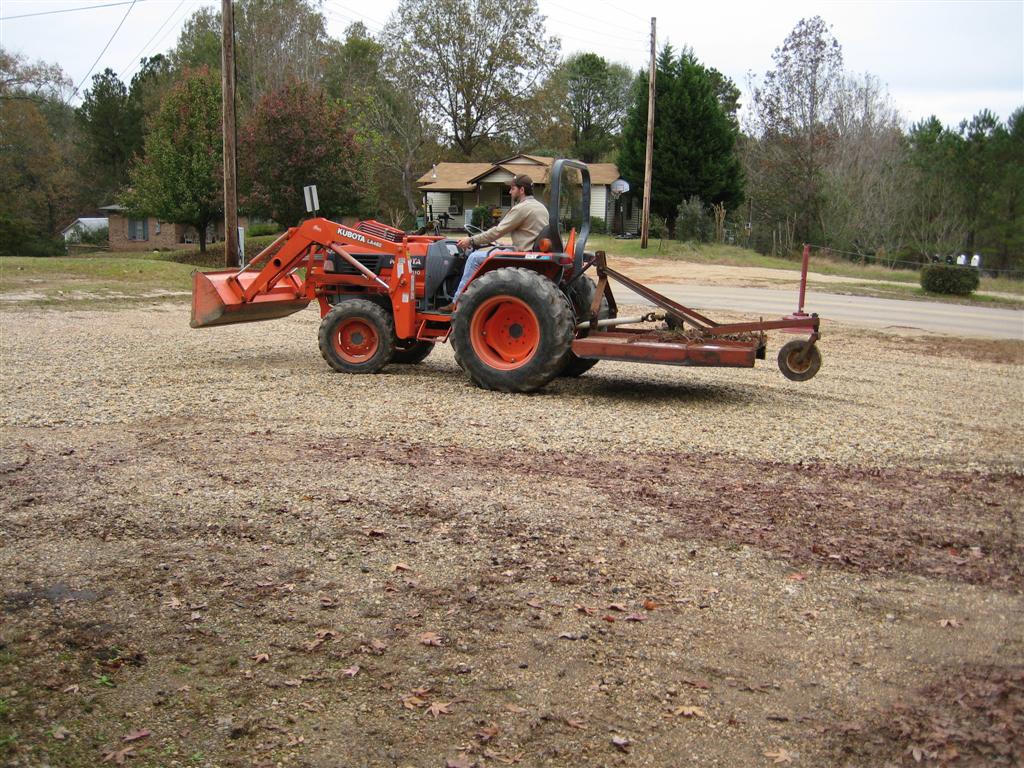
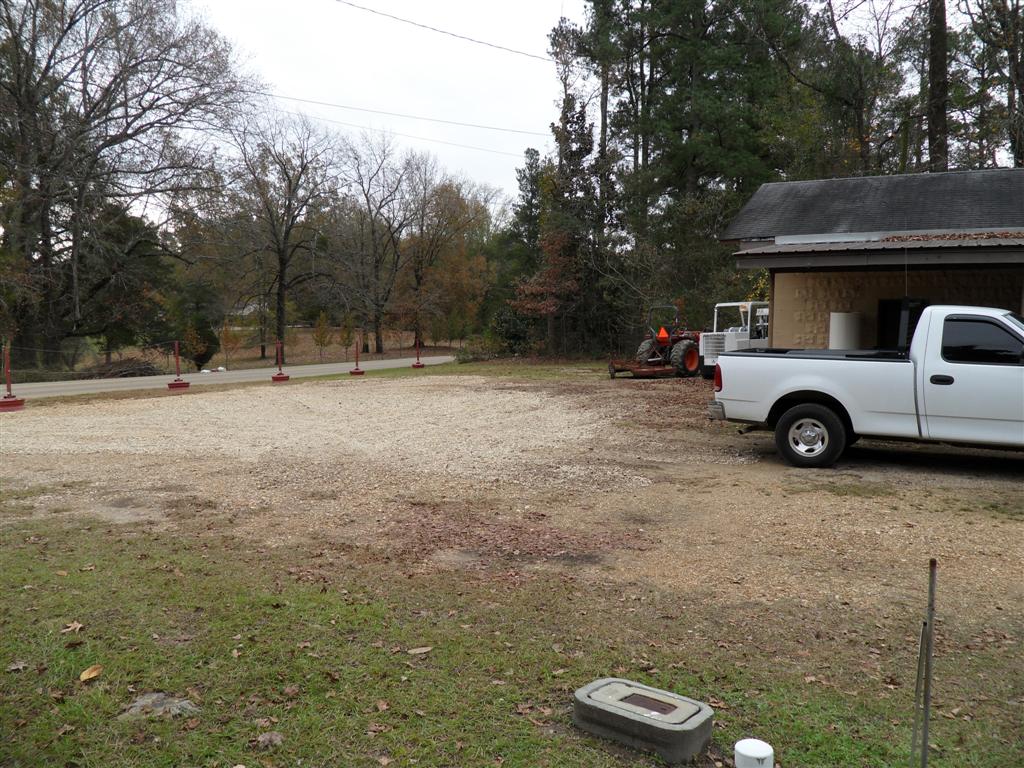
The driveway here at the Omni Complex was getting pretty rough so I decided to do some maintenance. Typically, if you have major ruts or holes you would want to bring in some clay-gravel to fill in the low spots and then top it off with a load of wash-rock which packs into the clay and leaves you with a smooth clean finish. However, in this case there really wasn’t any “major” damage, mostly just some soft spots that were starting to get worse due to the wet season. So I had a load of wash-rock hauled in so I could spread it out over the soft spots in order for it to pack in and restore the integrity of the driveway.

It’s important to spread wash-rock thin or else you end up with thick patches of gravel that makes it hard to walk or drive in. The load seen above is 8 cubic yards which is about half of a load for the truck shown. Now if you’ve dealt with gravel before you know a pile like the one shown can be deceiving because the amount looks a lot smaller than it actually is. I was concerned it wouldn’t be enough but my concerns were unfounded. It was just the right amount. Given how thin wash-rock has to be spread, the load actually covered a lot more than I thought it would.

Since my tractor was down for upgrades I had a friend bring his tractor over so we could spread the gravel. He started out until he got called out to work so I jumped on the tractor and finished the job. The front-end loader spread the gravel like butter on toast. Fantastic.

Shortly after the gravel was spread we got a chance to test it. I had a freight truck stop in for a pickup.

Everything turned out great. The amount of gravel was perfect and now I have a nice driveway that keeps my tires clean and my ride smooth.

November 28, 2009

John Deere 850B Long-Track Dozer

Filed under: Day to Day,Trucks & Equipment — Nicholas Fluhart @ 10:32 pm

Here’s a nice machine I recently sold. This one was owned by a logger and was also used to do some dozer contracting.

1987 John Deere 850B Bulldozer

I actually sold two of these. The first one was a parts dozer, a 1986 model, and this one was a 1987 model which was a good running machine. The 850 is large enough to do substantial work. The guy who owned this one also has a late model Caterpillar D6N and he indicated the old 850 would actually out-perform the Cat in some situations. The 850B utilizes a 6 cylinder turbo charged John Deere diesel engine producing 165 hp. The operating weight is just shy of 40,000 lbs. Check out all the specs here.

Now lets see it in action! I took a short video clip to demonstrate how it operates.

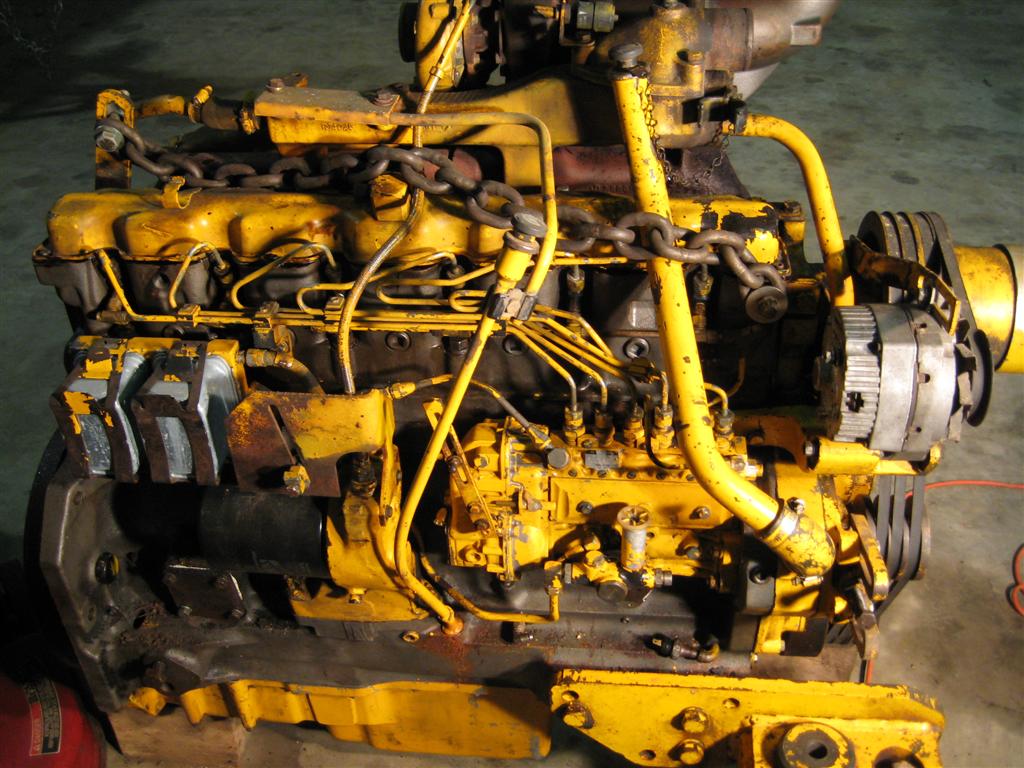
As indicated in the video, the hydrostatic drive enables easy and swift operation. The engine is also very powerful. Below I’ve posted a couple of pics of an 850B engine. It’s the engine from the ’86 parts dozer after it was just rebuilt.

The winch on this machine is a 60,000 lbs Hyster with 1 inch diameter cable. It was installed to winch out log skidders when they got stuck in the mud.

60,000 lbs Hyster Winch

How about some pros and cons? Well, I’m by no means an 850B expert, so this is solely from the information I’ve gotten from operators who have used and/or owned these machines. It’s funny that one of the main pro’s is also considered by some to be the major con, and that is the hydrostatic drive. This drive system is much smoother than a powershift system and eliminates the need for steering clutches and steering brakes. It also allows for dual-path operation which means the tracks can turn in opposite direction from each other making it turn 360° in one spot, great for working in tight areas. The main drawback of the system however, is that apparently it is prone to failure after about 10,000 hours of service, or so they say, at which time the hydrostat units require rebuilding or replacing which is a very costly procedure. For this reason, the 850 has earned a bad name in certain circles of the construction industry. Aside from that, they appear to be very good, solid machines. If you’re setup to do repairs yourself you can definitely save a lot of money, but it’s a major undertaking nonetheless. Alternatively, if you buy one that’s just had the hydrostat units rebuilt or replaced (like the one I sold), you’ve got a good machine with lots of service life.

November 10, 2009

Industrial Actuators – Part 2

Filed under: Industrial Actuators — Nicholas Fluhart @ 8:19 pm

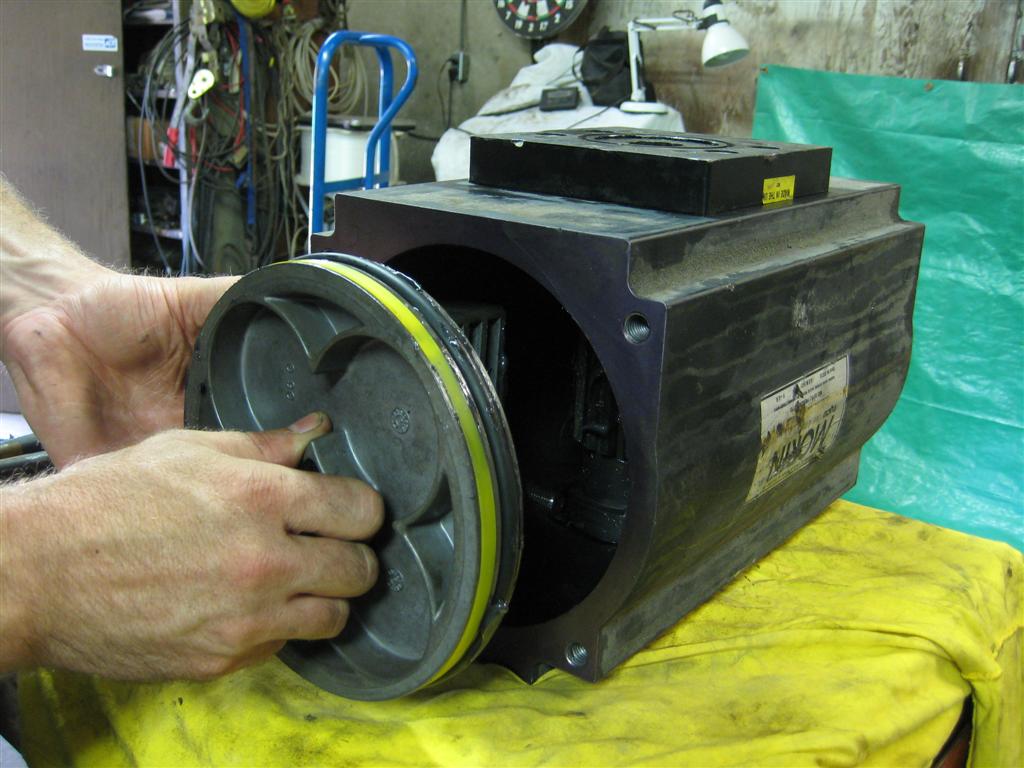
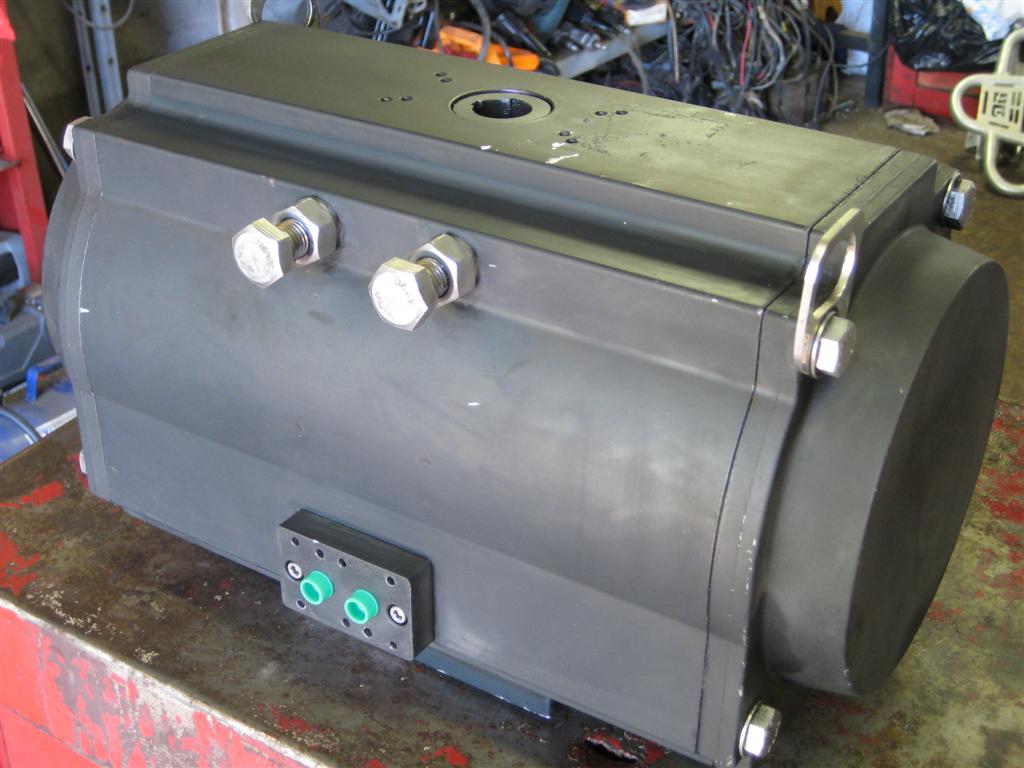
Another actuator post….This Morin unit is a typical double-acting rack and pinion type that I rebuild. It came in with an internal leak-through problem. Although each brand of actuator has its own unique characteristics and components, most of the basic principles are the same. In this post, I’ll outline what it took to rebuild this particular unit.

In for Rebuild

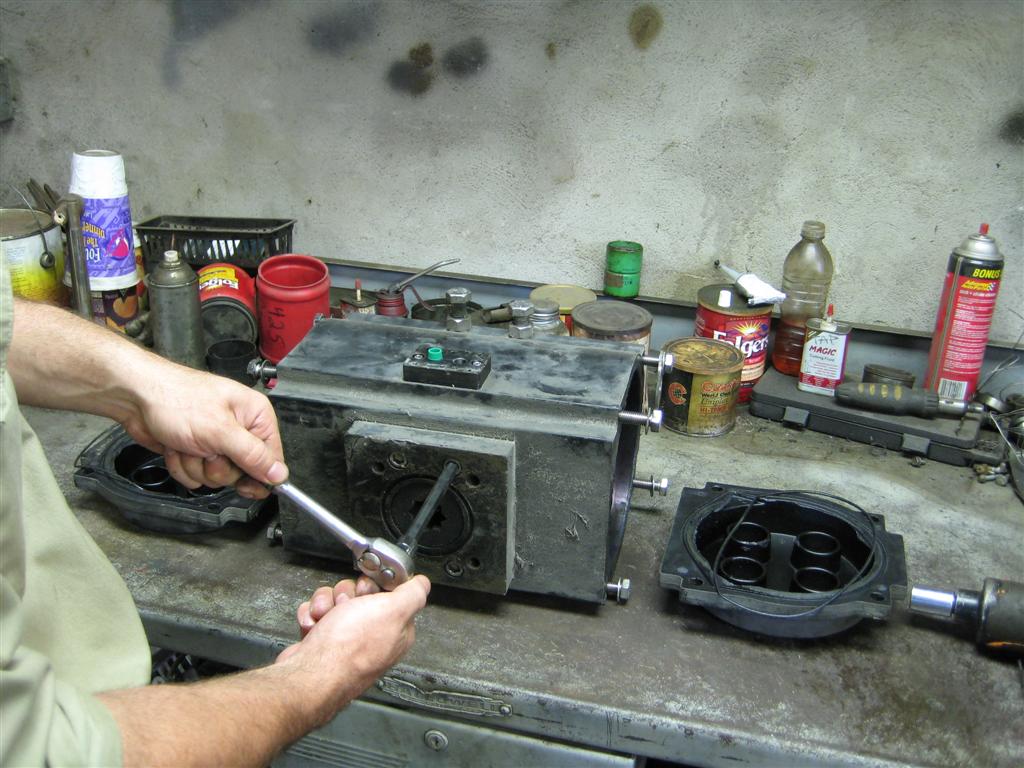
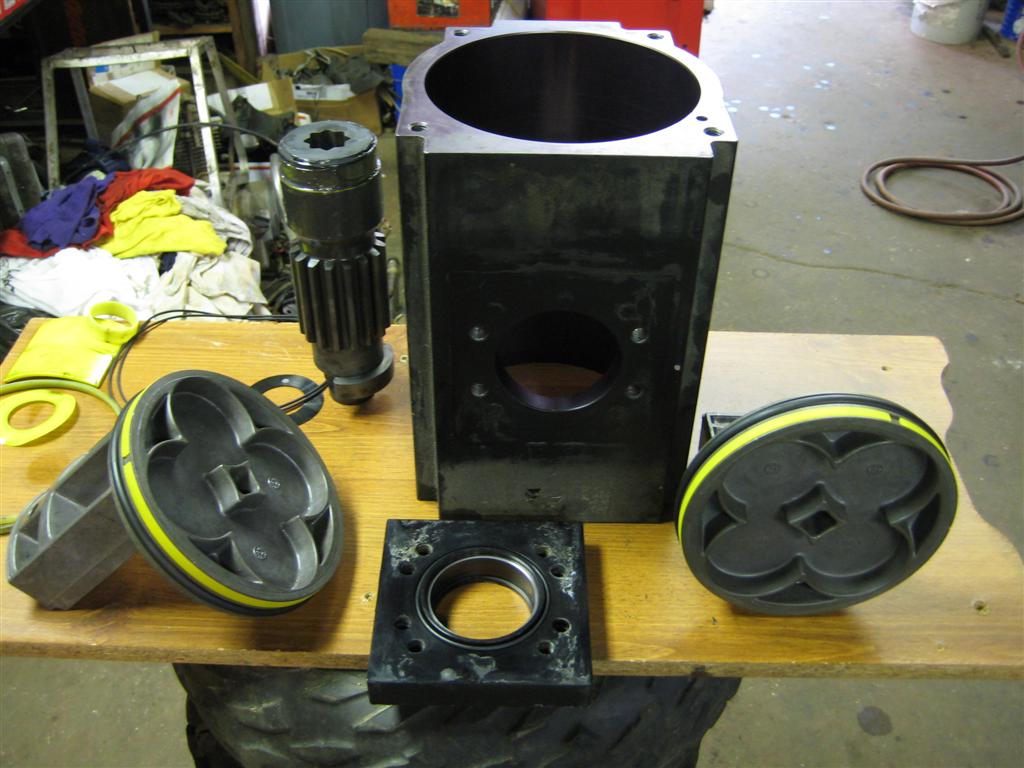
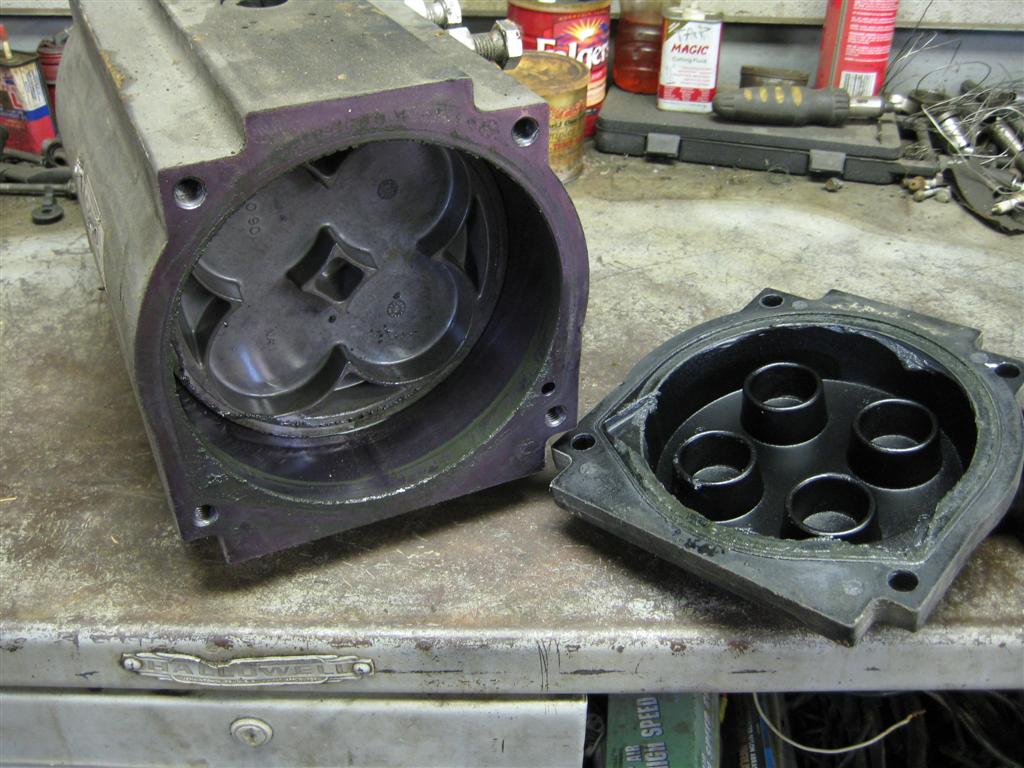
I applied air to it and determined a piston o-ring must be damaged. I begin disassembly by removing the end caps and then the pistons. The end caps are held on by four bolts and come off easily. To remove the pistons I unscrew each stop screw and rotate the pinion a full rotation which pushes the pistons out to the end of the cylinder. If needed, I carefully apply compressed air to push the pistons the rest of the way out.

End Cap Removed

Piston Removed

When I pulled the first piston I immediately saw a broken piston ring. I continued dismantling the unit further by removing the pinion. I begin by removing the pinion retainer, then the pinion can be pulled out directly. Note that I marked the orientation of the components with a white liquid paper pen. This will make it easier to time the unit upon assembly.

Removing Pinion Retainer

Disassembled

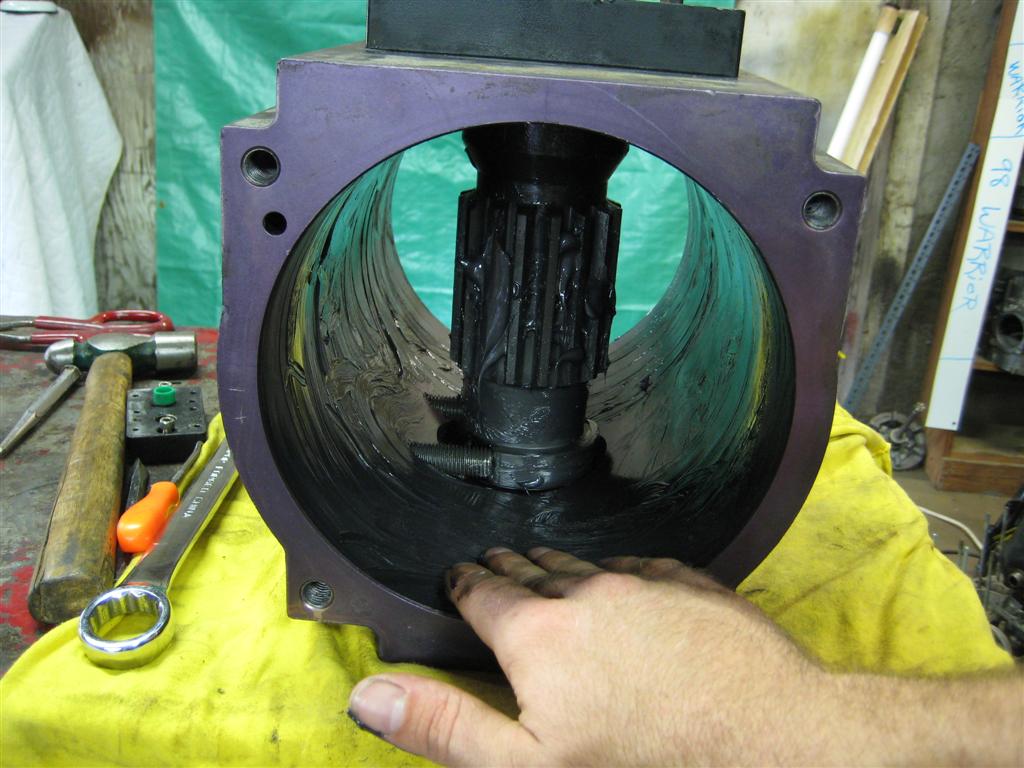
Now it is time to clean and inspect the hard parts. I look for any type of damage or excessive wear while cleaning the old grease, o-ring, and bearing material from the components and the bore.

Pinion Inspection

Inspecting the Bore

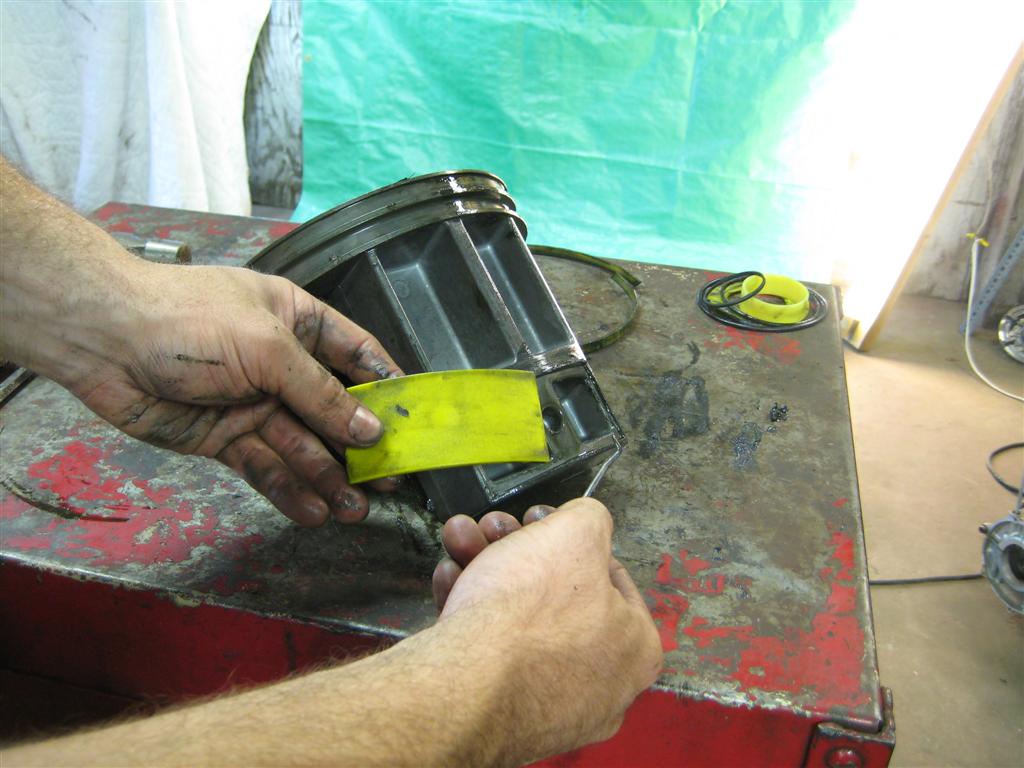
Once everything is cleaned and inspected I begin installing the soft parts, such as the new bearings, seals, and o-rings. This also includes guide bands on the piston.

Soft Parts Installed

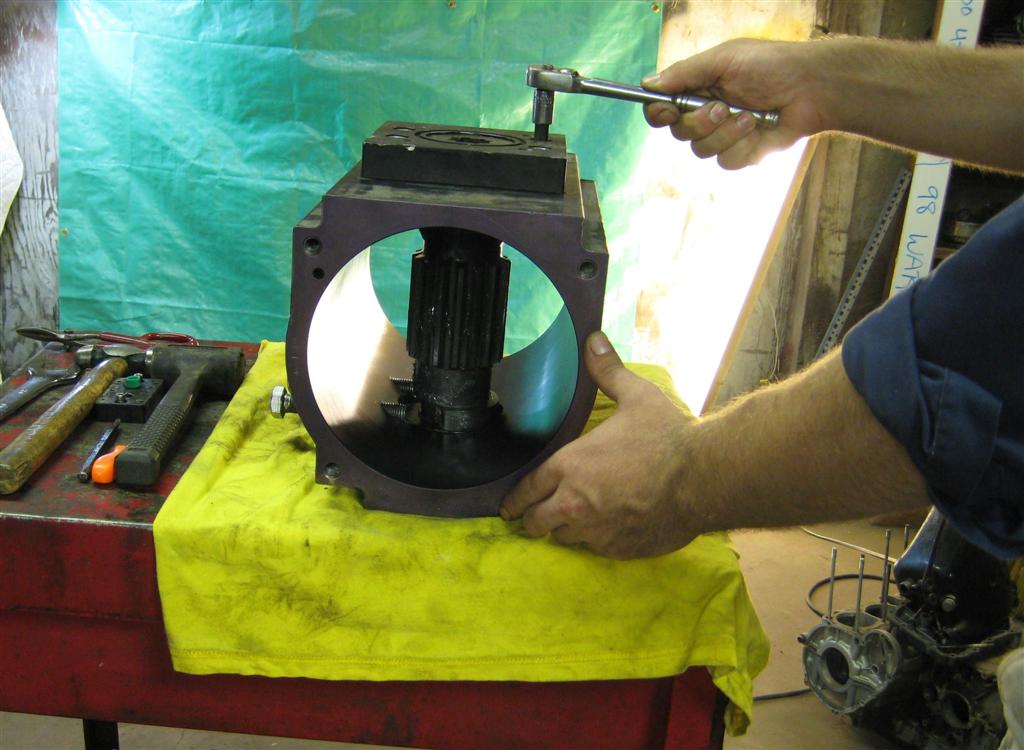
Once the soft parts are fitted to their appropriate parts, I begin the unit assembly by first installing the pinion and then I apply  grease liberally to the gears and the bore of the cylinder.

Now it’s time to install the pistons and time the actuator. The unit must be timed properly or the pistons may not stroke equally resulting the inability of the pinion to make a complete revolution, which in this case is 90° so I’m not sure “revolution” is the correct word. It’s also imperative to install the piston gears on the correct side of the pinion to ensure the pinion rotates in the right direction, which in this case the functional direction is counter clockwise making the return direction clockwise.

Piston Installation

Once the pistons are installed I replace the end caps and begin testing the unit. First I pressurize the actuator and begin testing for leaks by spraying soapy water on the sealing components. Then I stroke the actuator at the appropriate air pressures and set the stop screws.

Leak Testing

I finish up by cleaning the exterior to the desired cosmetic status, insert any needed cap plugs in the air ports, and it’s ready to ship.

Finished Product!

Until next time…
« Previous PageNext Page »

Blog at WordPress.com.