Nicholas Fluhart

July 13, 2010

4×8 Tilt Trailer

Filed under: Day to Day,Trailers — Nicholas Fluhart @ 10:30 pm

Here’s a nice compact trailer I recently flipped (“flipped” meaning bought and sold, as opposed to having turned it over in the road). I purchased it in combination with a Honda 300 Fourtrax ATV at $500 for the pair. My plan was to fix up the old trailer for resale and part-out the ATV. With this in mind, I immediately got to work on the trailer.

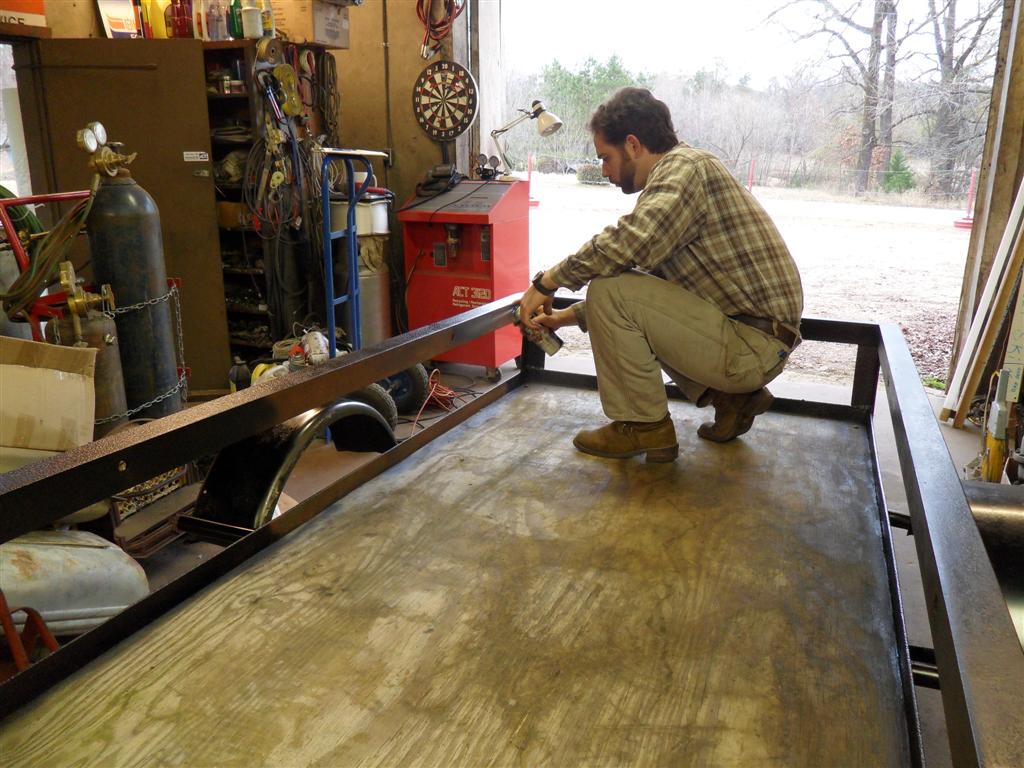
First, I stripped the old dead paint from the metal surfaces before rolling it into the shop. Then I pulled the wheels, lights, etc. to ready it for paint.

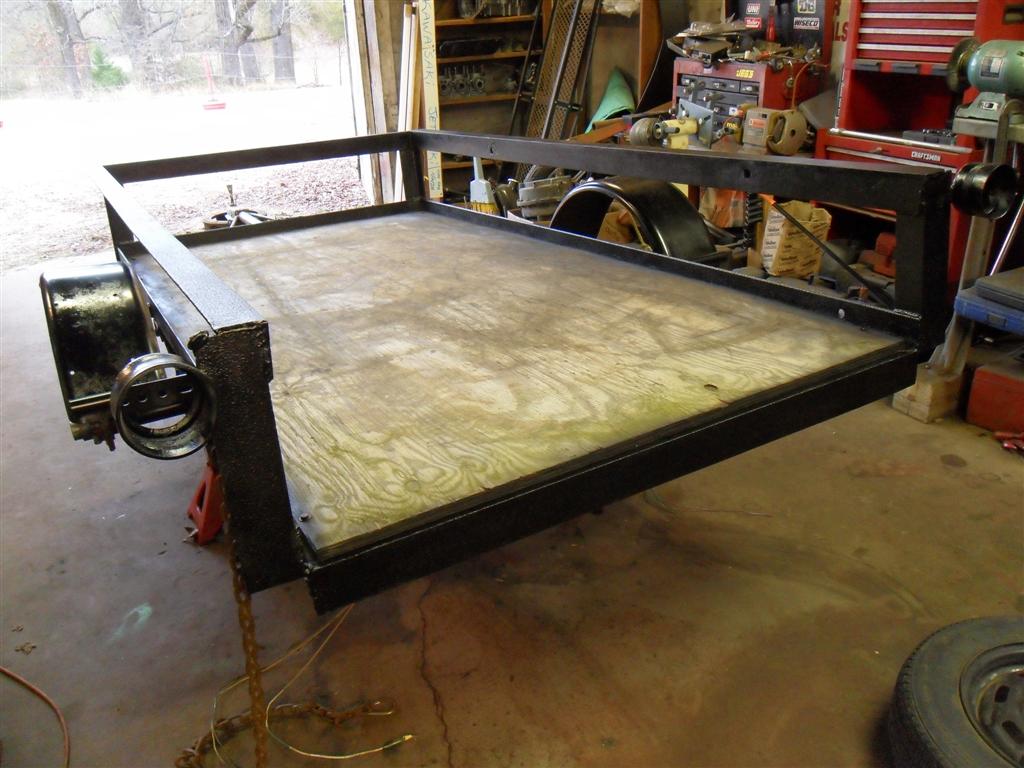
Then I began painting the steel surfaces with a good semi-gloss black paint that does not require primer. I also inspected and painted the hubs, hitch, and chains with a good quality silver.

The next to tackle was the lights and the floor. I rewired the lights using heat-shrink connectors and replaced any bulbs that needed it. One thing that I like to install on my trailers are marker lights, particularly on the front of the fenders so they are easy to see in a rear-view mirror.  I also installed a new connector. On the floor, I used a low gloss black to seal the wood.

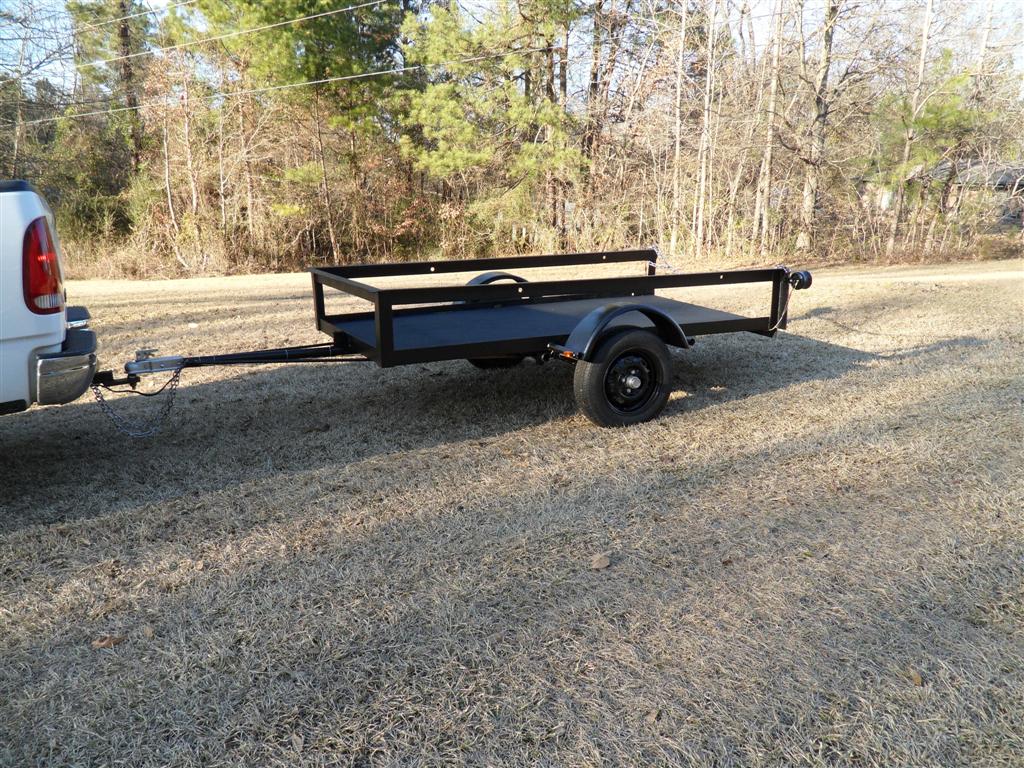
And that wraps up the project. Now we’ll see how it’s used.

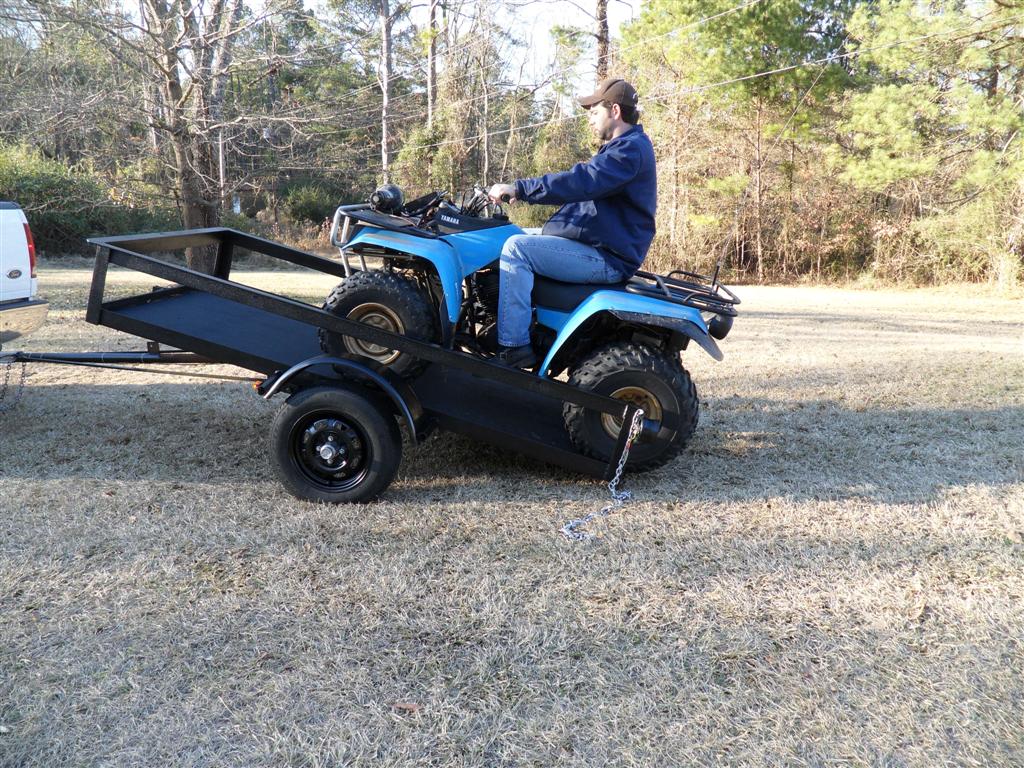
The great thing about this trailer is that it tilts. This eliminates the need for loading ramps. The axle is far enough to the rear that it appropriates the load correctly and does not “fish tail” while pulling it down the highway. The overall length is just long enough for your ATV and an ice chest or tool box. Overall, a very handy trailer. It sold very quickly for $400. So I basically had $100 invested in the ATV that came with it. Not bad. Until next time…

July 6, 2010

The Ghost: Part 2

Filed under: The Ghost — Nicholas Fluhart @ 10:11 pm

The great thing about this truck is that it is still usable as a streetable truck. It could even be a daily driver if needed, all the while still turning heads at a show. Below is a recent pic of me hauling an air conditioner unit for my shop. The unit is heavier than it looks, but the truck doesn’t squat a bit. I simply air up the shocks and the truck always rides level.

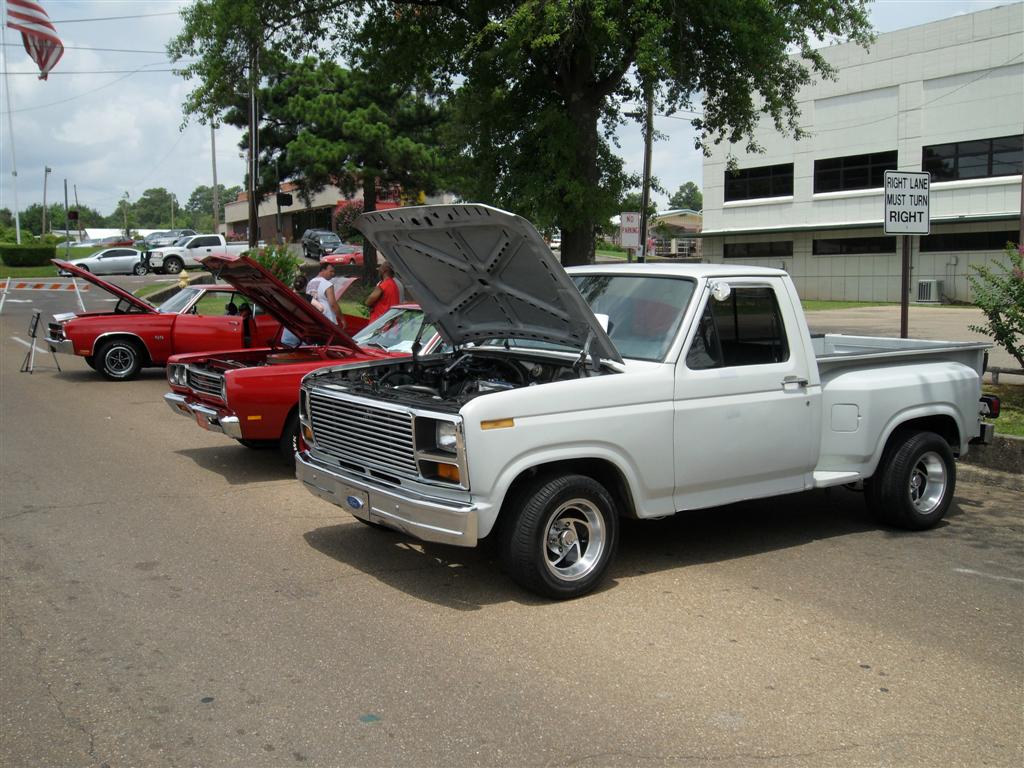
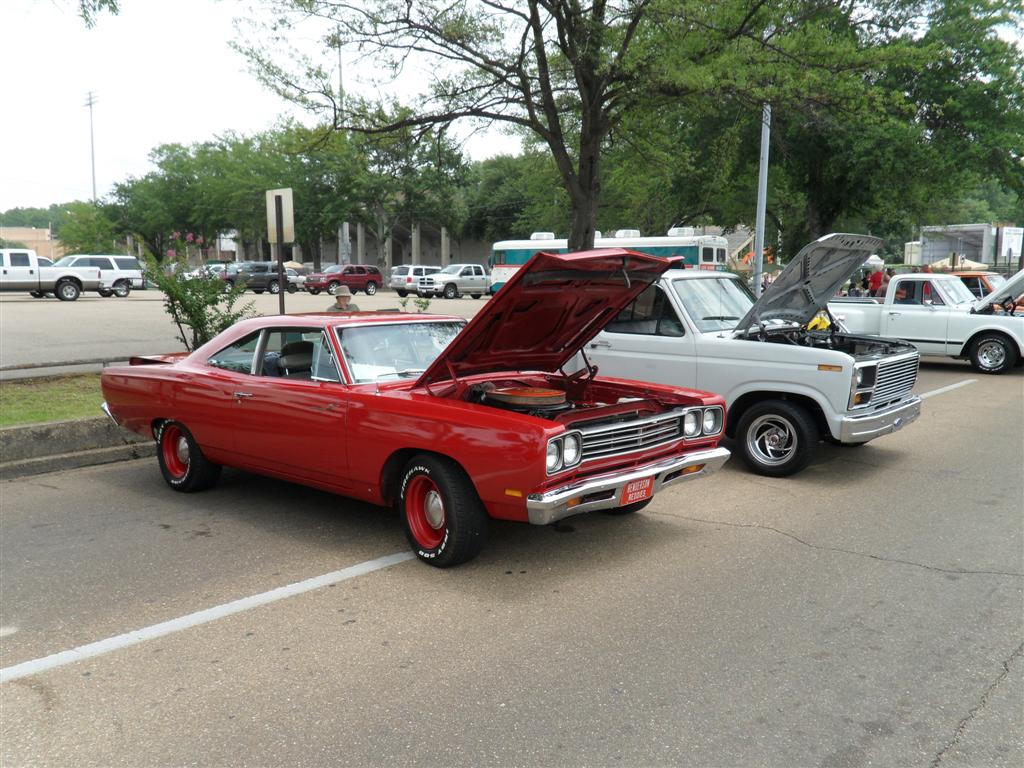
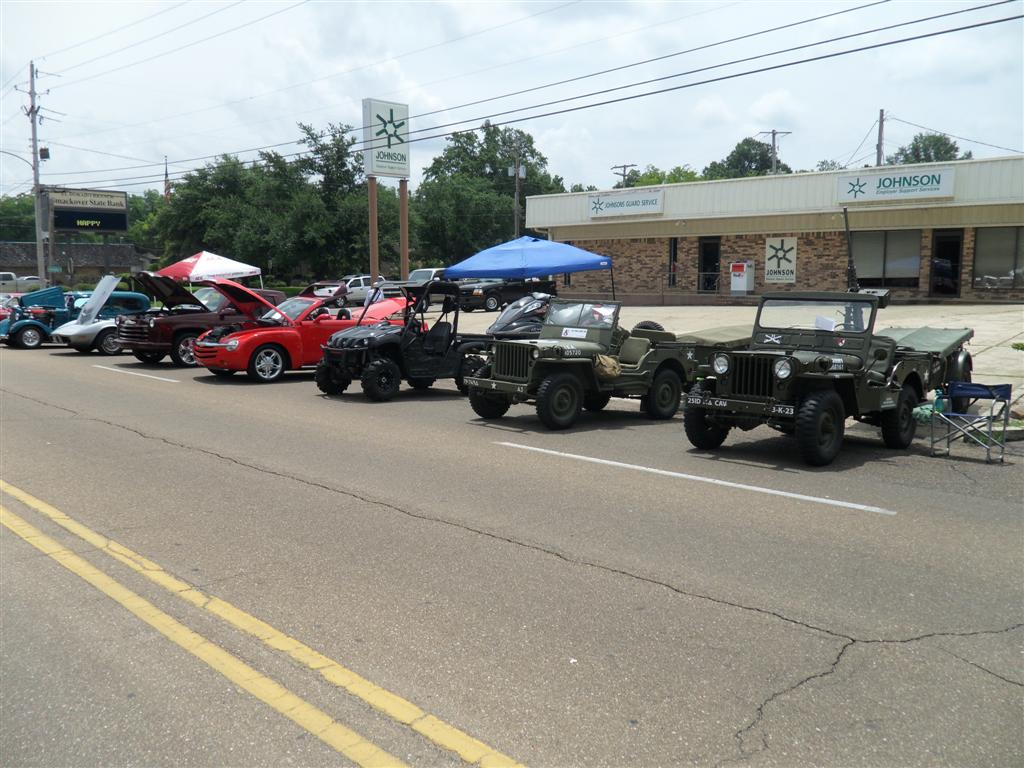
The next day we took it down and entered it in the 4rth of July car show.

July 4, 2010

“The Ghost”: F-150 / Mustang GT Conversion

Filed under: The Ghost — Nicholas Fluhart @ 10:09 pm

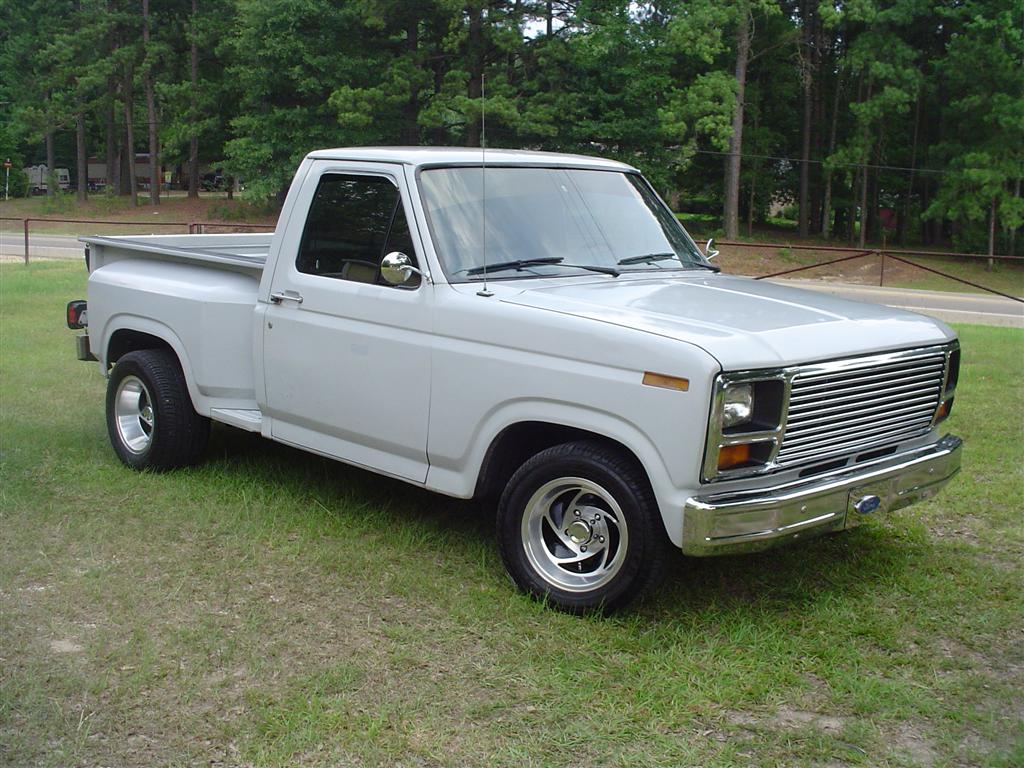
This is one of the more in-depth projects I have done. It is my very first truck, a 1984 Ford F-150. What started out as a stock, old truck turned into a very neat retro style hot rod with a modern twist: an early 90’s 5.0 HO Mustang GT electronic fuel injected engine. I have always been a big fan of the 80’s step side F-150’s. In my opinion, they have the best body lines of any Ford step side truck, and I love the retro style bed with the wood floor. I have also been a big fan of the 80’s fox body 5.0 Mustangs since my dad purchased one new in 1989. My brother also has a clean 1991 model. So naturally, this was the best of both worlds and a great project.

Sometime around 1999 I got my first vehicle a few months after I turned 16. My dad found this old Ford F-150 step-side for $1000. It needed a transmission overhaul and some other work. My parents got the truck for me and I paid them back in installments after.

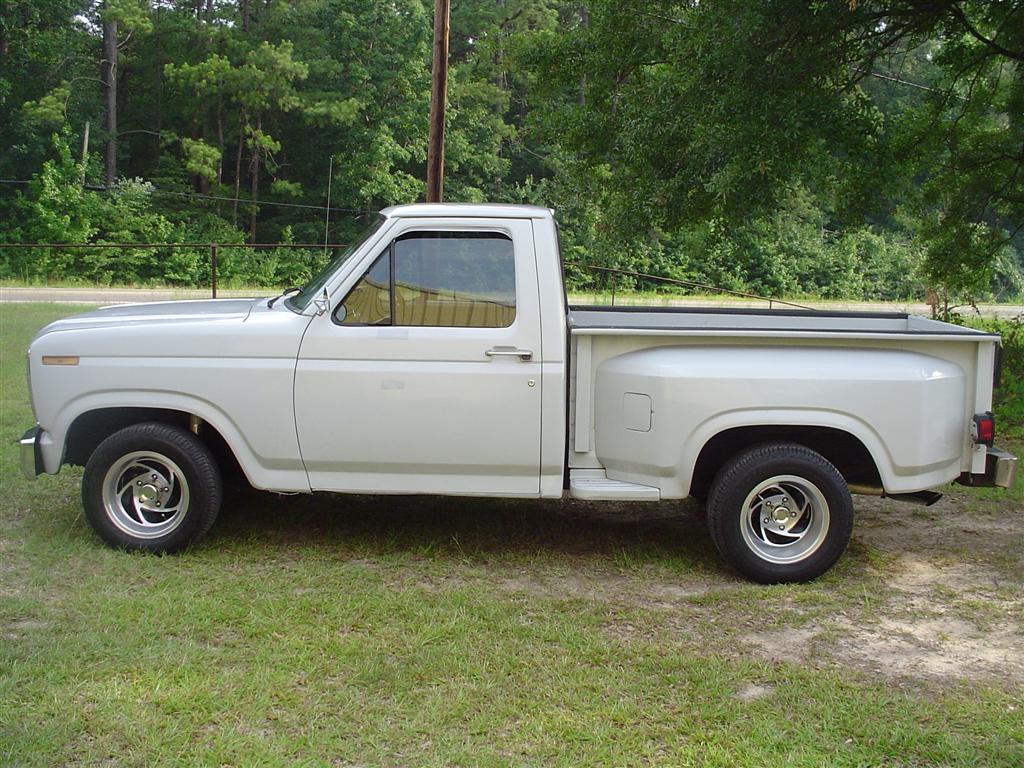
The stock setup was as follows: The truck was originally silver (badly faded and in need of paint when I received it) and it is a short wheelbase stepside. The stepside is a factory retro style wood bed with the old type of tailgate, fenders, etc. It’s very unique and there aren’t many clean ones left. Again, I think it has the best lines and overall appeal of any step side truck bed ever made.

The engine was a stock 302 V-8, and originally it had an automatic overdrive (AOD) transmission, but someone replaced it with an automatic 3-speed C6. The rear end was a single-track differential with 3:55 gears. Someone had also installed P255/70-15 tires on chrome spoke wheels that actually looked pretty decent along with a chrome roll bar in the bed and bed rails.

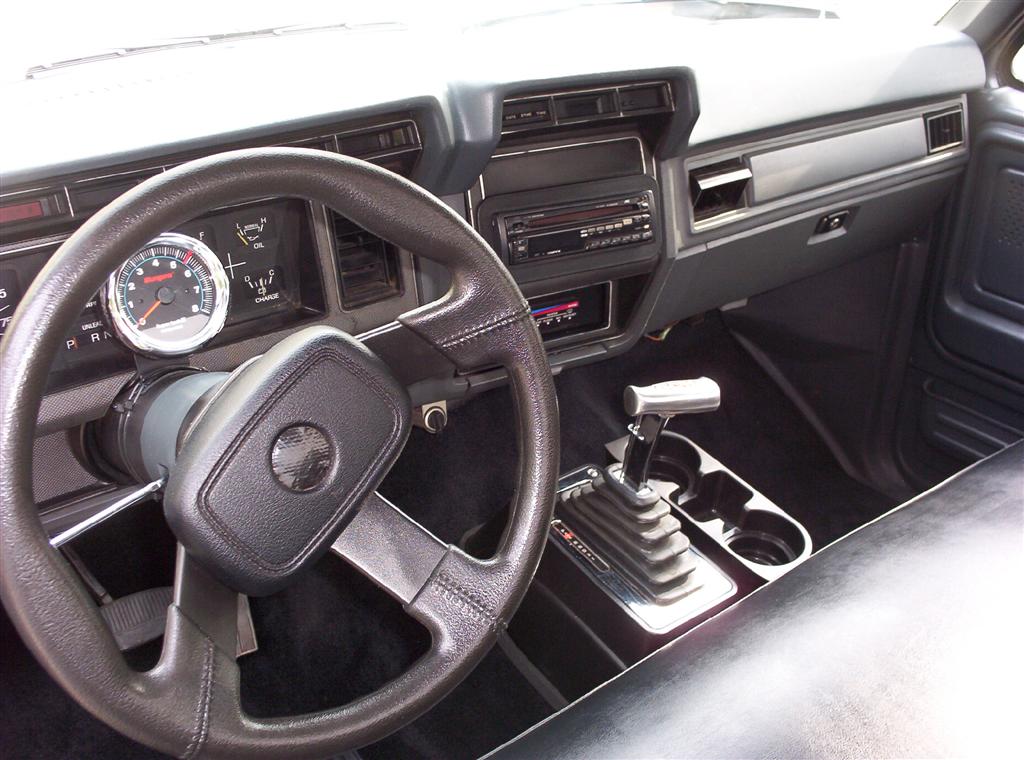
The interior is pretty basic with a bench seat, manual locks and windows, no cruise control or tilt wheel, but it does have factory A/C, factory tachometer, and a clock in the dash.

Shortly after I received the truck, I began sanding and priming in preparation for paint. At the age of 16, I didn’t know precisely what I was doing, but I did a decent job, all things considered. My dad and I then took the truck to a local body shop who painted it for $150 plus materials. We went with dove gray as opposed to silver because the type of paint job (old style with no clear coat) required a solid color to look good, and with no matalic, the dove gray would last much longer without fading. It turned out OK. Definitely not what I would call a professional job, but for the money it was great. I polished up the wheels, bumpers, and roll bar and then tinted the windows. I also installed two KC Daylighters on the roll bar. I had one of the best looking trucks in school. It was named “The Gray Ghost”, later to be known only as “The Ghost”.  The picture below shows me at age 17 posing by my truck. I think it was taken in the fall of 2000.

About a year later I acquired a set of polished aluminum sawblade rims and the truck looked like you see it in the photo below which was probably taken around 2001.
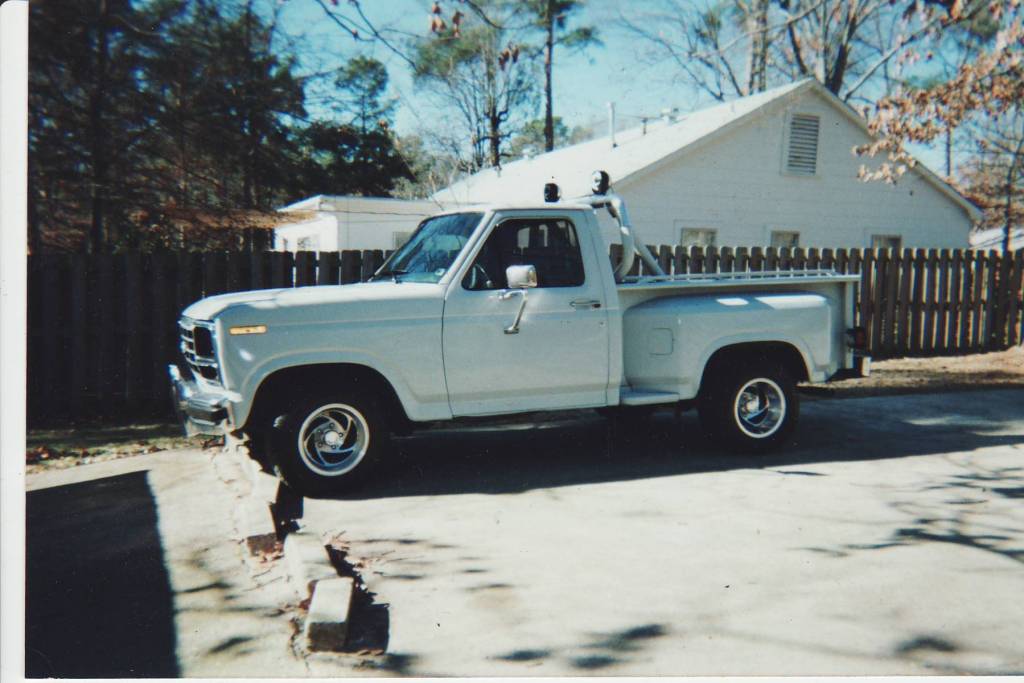
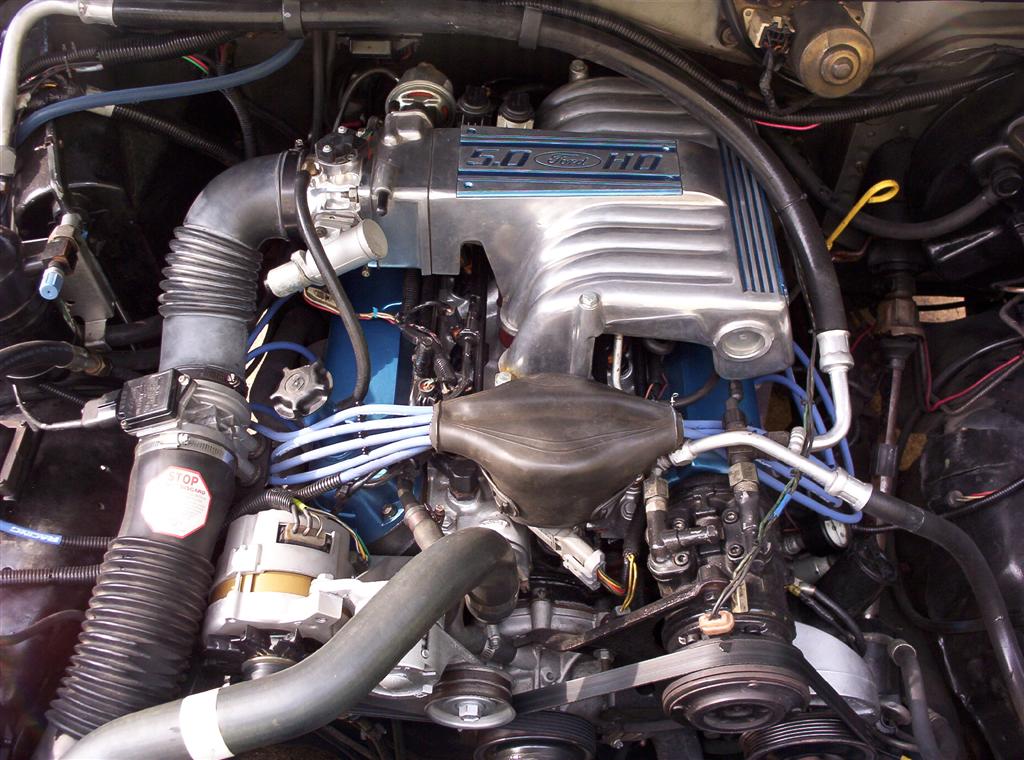
It was also during the summer of 2001 that a major transplant occurred. I had been working as an automotive mechanic since the age of 16 and was working very long hours at a local garage when I acquired an engine out of a wrecked 5.0 Mustang GT. I recall having lots of money around this time because I worked so much that I had no time to spend it. LOL So I began building the 5.0 “fuely” engine (short for fuel injected). It was the first automotive engine I built from the bottom up. Now keep in mind, this was my daily driver and was not intended to be a show truck or anything like that. I just wanted a powerful, unique truck.

Below are the vitals:

– Bottom end rebuilt to OEM specs
– 1966 289 Hypo heads (higher compression) w/Windsor valves
– E303 Ford Racing Roller Cam
– Mass Air Conversion
– Custom cold air intake w/K&N filter
– Larger radiator with electric cooling fan
– Black Jack Headers (already on the truck)
– Serpentine belt system, maintaining A/C and power steering

Later upgrades include:

– 24 pound per hour fuel injectors (replaces the OEM 19 pound)
– Crane performance ignition (most bang for the buck horsepower increase)
– Ford Racing plugwires
– Custom made fan shroud for the electric fan
– Full 2.5 inch aluminized exhaust system with Flowmasters and tips
– Polished GT40/Explorer intake manifold (most noticeable horsepower increase)
– Big bore throttlebody and mass air meter
– Roller rocker arms (the high-lift cam destroyed the stock ones)

Converting an old carbureted truck to a modern OEM style electronic fuel injection system complete with all the sensors and wiring which also allowed the ability to run computer diagnostics was NO EASY TASK. However, the project was a success, although it took a very long time to work out all the bugs. In late 2002 I bought my first new vehicle, an ’02 Ford F-150, and retired the Ghost to a weekend hobby truck. It was around this time that my father took an interest in it and we began partnering on the project.

The next upgrade to the truck was the transmission.

Tired of the C6’s lack of overdrive, we wanted to reunite the truck with its long lost companion, the AOD transmission. Since I had undertaken the cost of the initial engine build, dad got the transmission. After much research, we found a speed shop that specialized in AOD’s. We ordered a custom built AOD with the following specs:

– Transgo Shift Kit
– A+ Servo
– Extra clutches AODE style
– 2500 RPM Stall Converter

I also purchased a B&M ratchet shifter which moved the gear shifter to the floor. I installed the transmission and the result was the sweetest shifting automatic transmission I have ever operated. I mean really, it turned out very nice.

The next major upgrade was the rear end.

Dad and I decided we needed a little more low-end thump, so we changed out the stock 3:55 gears with a set of Precision Gear 3:73’s on an Eaton positive traction locker. Perfect! It is exactly what was needed.

Other upgrades:

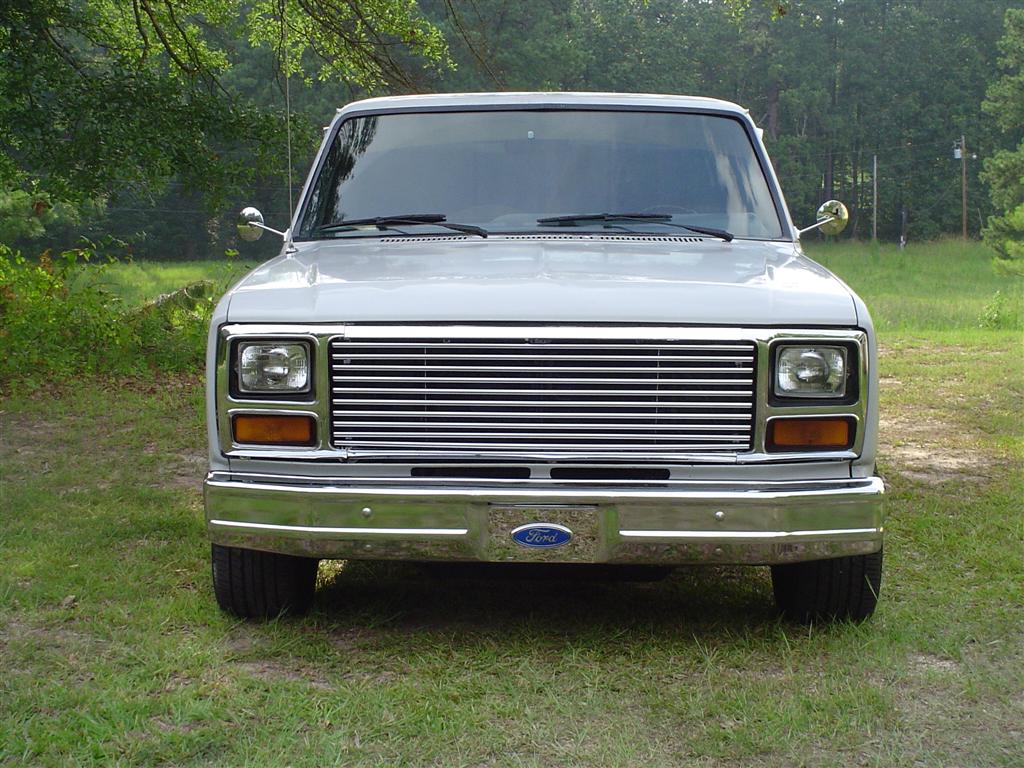
During our time working on it, we did a lot of other things to the truck. We rebuilt the front end by replacing all the old rubber bushings with new polyurethane bushings. We replaced the entire brake system. We decided to go with a retro hot rod type of look, so we did away with the roll bar (as bad as I hated to see my favorite 80’s icon go), the bed rails, and those big mirrors. Then we lowered the truck 2 inches and put air rides on the back so we can adjust the height to compensate for a load or if we pull a trailer. We went with 50 series wide tires. We also replaced the front bumper with a smoothie chrome one, replaced the headlight housings, and installed a billet grill. We also reworked the interior having the seat recovered, re-carpeted the floor, and installed new door panels and dashboard.

Here’s what it looks like:

Under the hood…

And the interior…

June 26, 2010

Engineer Boots

Filed under: Uncategorized — Nicholas Fluhart @ 10:28 pm

As an intermittent post, I thought I’d share one of my hobby interests which is collecting boots……but not just any boots: high-end engineer boots. It might sound silly (ok, it probably is a little silly), but it can be very profitable; and I’ve found it to be moderately enjoyable because I get to wear a variety of high quality boots in the process.

What is an engineer boot? Well, there is a Wikipedia article, although slightly disappointing in overall content, that explains the basics. Prices range from $175.00 for a decent quality pair to $800.00 and up for hand-stitched, custom fitted. I’ve even seen a used pair of 1960’s vintage bring $685.00 on auction. Many people confuse engineer boots with harness boots. They are both great boots, but don’t confuse the two; engineer boots and harness boots are two totally different animals with different histories. Some say engineer boots got their name from land surveyors who used them around or before the depression era at which time Sears had an add in their catalog that depicted such a use of the boots. Others contend the boots got their name from locomotive engineers. I’m not sure anyone knows for sure, but I would be very interested to learn the true history if such exists.

Why did I start wearing engineer boots? The first time I saw Fonzie kick start his bike wearing engineer boots I knew I had to have them. At the age of 17 I bought my first big street bike and my first pair of engineer boots, and I haven’t looked back. I was hooked from the first pair on, and no other type of boot has touched my foot since. I have pairs for dress, casual, work, riding, etc. in both black and brown depending on what belt or shirt I’m wearing. Engineer boots go far beyond the motorcycle. They are a great work boot, they are functional, adjustable, expensive, and lets face it, they are the best looking boot God ever placed on the face of this earth. Now that my personal bias has been exposed, we’ll move on…

I’ve had a great deal of success buying and selling engineer boots. The hobby started when I bought a pair of vintage engineers on eBay, and when I received them they did not fit. I decided to relist them and was happy to see that they auctioned for almost twice what I paid for them. From that point on, I have frequently bought and sold boots on eBay. Sometimes I score big, and sometimes I loose my can.

Below you’ll see one of the first pairs I flipped. They are Harley Davidson engineers, and this particular model is no longer in production. Brown engineers have become more common, but at that time they were much more rare. I purchased this like-new pair for $70.00. I wore them sparingly for about a year or so. They are an excellent looking boot, but the fit wasn’t quite to my liking. I listed them on auction and sold them for $120.00. Not bad…

Auctions are a gamble, and I don’t always come out so well on the profit margin, however. Below is a pair of Frye Goucho’s that were brand new. The MSRP is $210.00. I purchased them online for $125.00 intending to keep them to wear. However, they were a little loose. I auctioned them in hopes of breaking even, but they only brought $75.00 the second time around. Someone got an exceptional deal. I haven’t seen a new pair bring less than $125.00 since.

But on the whole, I have consistently come out on top. Below is a pair of tall, black, steel toes. There was no maker’s mark on these, but the vintage quality was evident. These were great boots. I wore them when riding my off-road dirt bikes. The high uppers protected me from the hot engine. The steel shank made kick starting my bikes a breeze. The right boot had a knife sheath and the left boot had a small utility pocket, great for a small tool or pistol. I bought them on eBay for $80.00. The only drawback is that they were tight in the ankles which made them heck to get on and off. When I finished with them, they auctioned for $185.00 and I shipped them to a buyer in England.

Then there are my work boots. These see very rough service, so I typically buy them for rugged durability over cosmetic appeal. For dress and casual, I typically prefer a Frye, but most of my true work boots tend to be Chippewa. It’s widely believed that Chippewa is the original engineer maker. Below is a pair of my black Chippewa steel-toe work boots that I retired after 5 years of service where they saw automotive shops, mud, water, woods, lots of oil, motorcycles, sharp objects, heavy machinery, and who knows what else. The fact that they are still intact speaks volumes.

Engineers are a timeless classic, but make no mistake, I don’t consider any engineer boot to be a “Nick-Pick” simply because it has a buckle and a strap. I require a look into the inner quality as well as the symmetry of its features, the placement of the buckles, the angle of the straps, the heel-toe ratio, the height and cut of the heel, the roundness of the toe, and the stitching. To find all of these qualities in adequate proportions in a single package, to me, represents the perfect boot.

June 19, 2010

More to come…

Filed under: Uncategorized — Nicholas Fluhart @ 11:19 pm

I’ve gotten a few inquiries about new posts, so I just wanted to say that I haven’t forgotten about the blog, there’s just been a few things that have had me tied up. Although I haven’t made any new posts lately, I have been working behind the scenes. I’ve been replacing and resizing pictures which has taken an exceptional amount of time (still only about half finished). We also had a server crash at my office where I store most of my pictures, and although we were able to recover everything, my pictures were placed in no particular order in my storage folders. So I’ve been working to properly arrange the thousands of photos I have that will soon find their way into blog posts. Furthermore, the first part of the year is always the busiest for my business, and since I’ve been shorthanded, I haven’t had as much time for things like blogs and such.

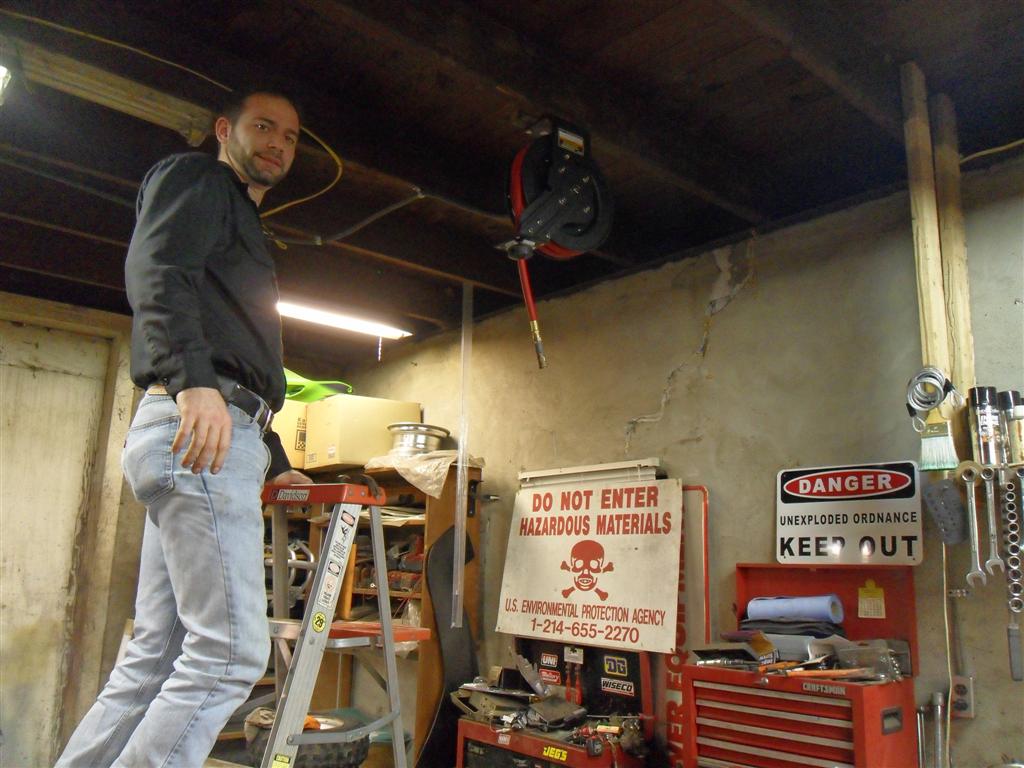
To keep up with the extra work load I had to perform several facility upgrades, especially out at the shop where I wired in some lighting and receptacles for an outside work station as well as installed more air receptacles and hose reels.

Cleaning up some wiring.

Hanging/Plumbing a Hose Reel

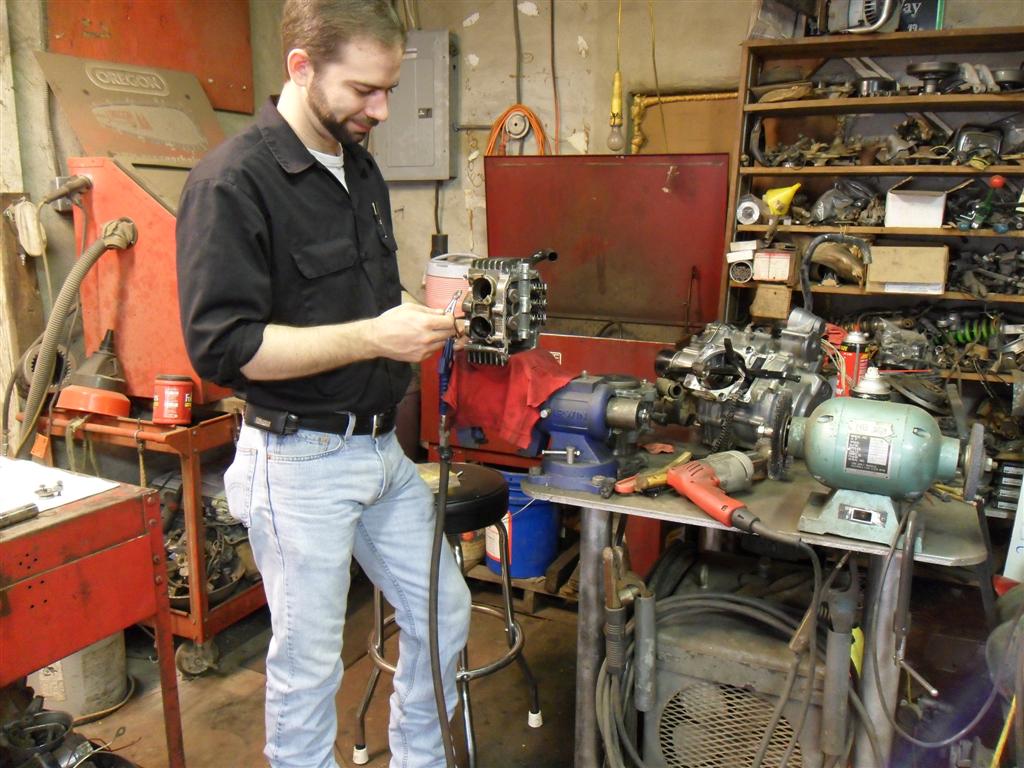
I’ve also had to keep up with a lot of day-to-day work, such as tearing down machines and processing parts as shown below.

Disassembling an ATV

Reworking a cylinder head.

Then of course there is the unexpected.

Broken Water Pipe

Broken Phone Line

So that’s what I’ve been up to. Anyway, there are some really great posts to come. I’ve completed a few projects and I’ve got a lot to write about. So check back soon…

« Previous PageNext Page »

Create a free website or blog at WordPress.com.